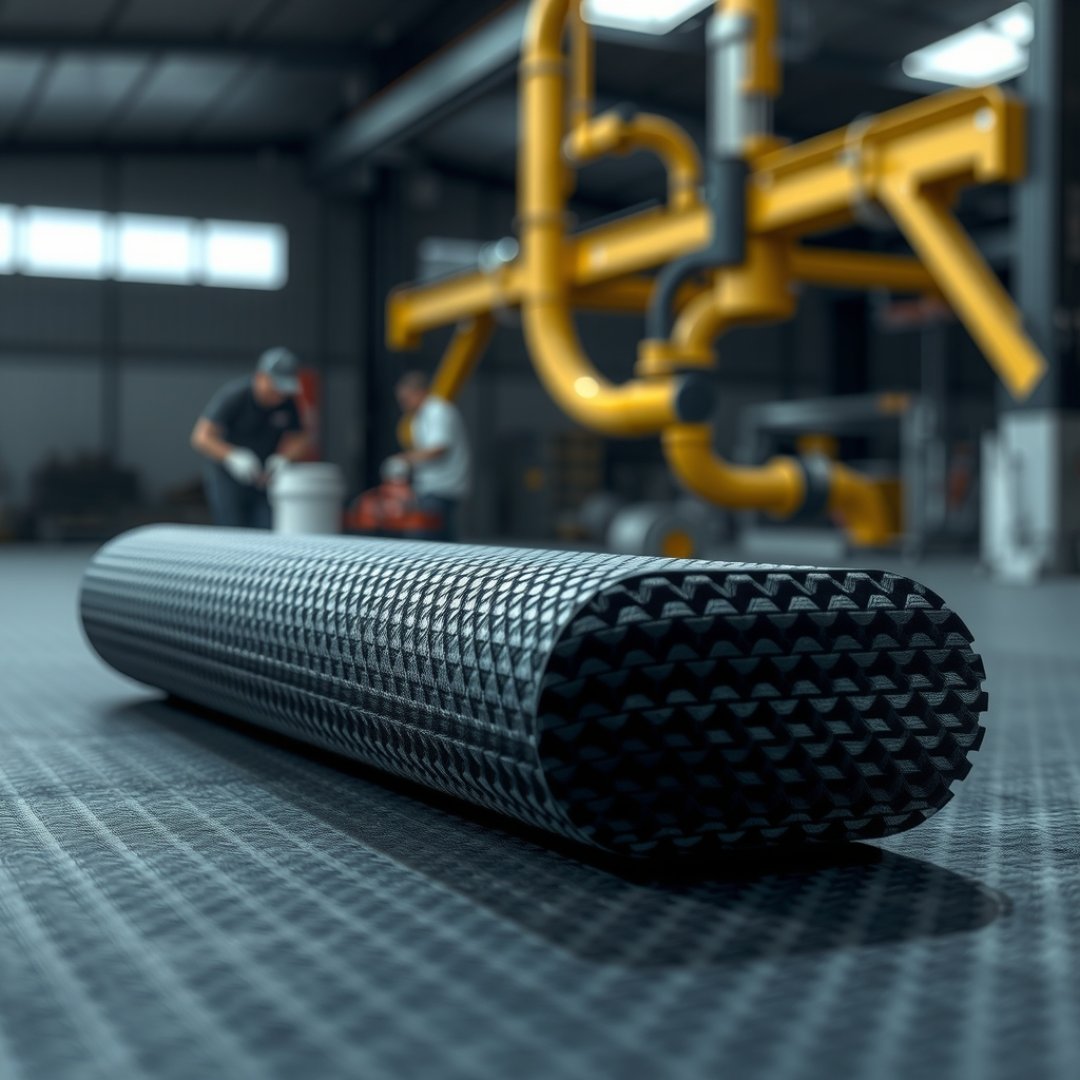
The integration of Recycled Carbon Fiber Composites within modern GreenTech Architecture marks a critical shift toward circular economy principles in the construction industry as of August 2026. By repurposing aerospace and automotive-grade carbon fibers, engineers are now achieving remarkable structural load-bearing performance that rivals virgin materials while drastically reducing the embodied carbon associated with structural members. These advanced composites provide exceptional tensile strength-to-weight ratios, making them ideal for high-span seismic retrofitting and modular prefabricated structural frames where traditional steel or concrete would introduce excessive dead loads. As global building codes increasingly demand lower embodied carbon metrics, the utilization of these recycled materials serves as a high-performance solution that satisfies both structural integrity requirements and strict sustainability benchmarks, effectively transforming waste streams into high-value infrastructure assets that ensure long-term structural resilience in complex environmental conditions.
Mechanical Properties and Structural Load-Bearing Metrics
Tensile Strength and Modulus Analysis
Recycled carbon fiber composites exhibit distinct mechanical characteristics influenced by the fiber orientation and matrix resin selection. In current 2026 applications, short-fiber random orientation composites demonstrate a tensile modulus ranging from 40 to 70 GPa, while aligned continuous fiber recycled composites can achieve values exceeding 150 GPa, comparable to structural-grade mild steel.
- Ductility: Enhancements in resin toughening agents have improved the energy absorption capacity under seismic load events.
- Thermal Stability: The coefficient of thermal expansion remains exceptionally low, reducing the risk of structural fatigue in thermal-cycling environments.
- Load Optimization: Structural engineers are utilizing FEA (Finite Element Analysis) to calibrate these composites for specific dead-load reduction in cantilevered balcony structures and long-span roof systems.
Manufacturing Processes and Economic ROI
Closed-Loop Manufacturing and Cost Efficiency
The transition from virgin to recycled fiber feedstock is primarily driven by pyrolysis-based recycling techniques that preserve the mechanical properties of the fiber filaments. The CAPEX reduction for projects integrating these materials is supported by a 30% lower material cost compared to virgin counterparts, alongside significant savings in logistics due to the lightweight nature of the modules.
Economic Impact
By leveraging reclaimed aerospace waste, manufacturers are shortening supply chains and stabilizing procurement costs. The high ROI is realized not only through direct material savings but also through accelerated construction schedules, as the high strength-to-weight ratio allows for modular bolt-together assemblies that replace labor-intensive cast-in-place concrete methods.
Regulatory Compliance and Sustainability Standards
Alignment with Green Building Protocols
As of 2026, the use of recycled fiber composites aligns with the stringent requirements of the EU RED III and various international carbon-neutral building certifications. Compliance is achieved by calculating the life-cycle assessment (LCA) benefits of replacing virgin materials, which typically results in a 60% reduction in the structural frame’s carbon footprint.
- Fire Safety: Advanced intumescent coatings are mandatory to meet international building codes for flame spread and smoke development indices.
- Standardization: New ASTM and ISO standards for reclaimed composite structural members are providing the necessary verification data for local building permit approvals.
- Durability: Long-term exposure testing confirms that degradation due to moisture and UV exposure is effectively mitigated by advanced polymer matrices.
Frequently Asked Questions
How do recycled carbon fiber composites compare to traditional structural steel?
While steel remains the industry standard for sheer mass, recycled carbon fiber composites offer a significantly better strength-to-weight ratio, allowing for reduced dead loads and improved seismic performance, particularly in high-rise or large-span architecture.
What is the primary sustainability benefit of using these materials?
The primary benefit is the dramatic reduction in embodied carbon. By diverting carbon fiber from aerospace and automotive waste streams, the architecture industry minimizes the energy-intensive production processes required to create virgin carbon fibers.
Are these materials safe for use in load-bearing structural applications?
Yes, when engineered and tested according to 2026 regulatory standards, recycled carbon fiber composites provide reliable structural integrity, provided they are treated with appropriate fire-retardant coatings and used within the design constraints validated by structural FEA modeling.