
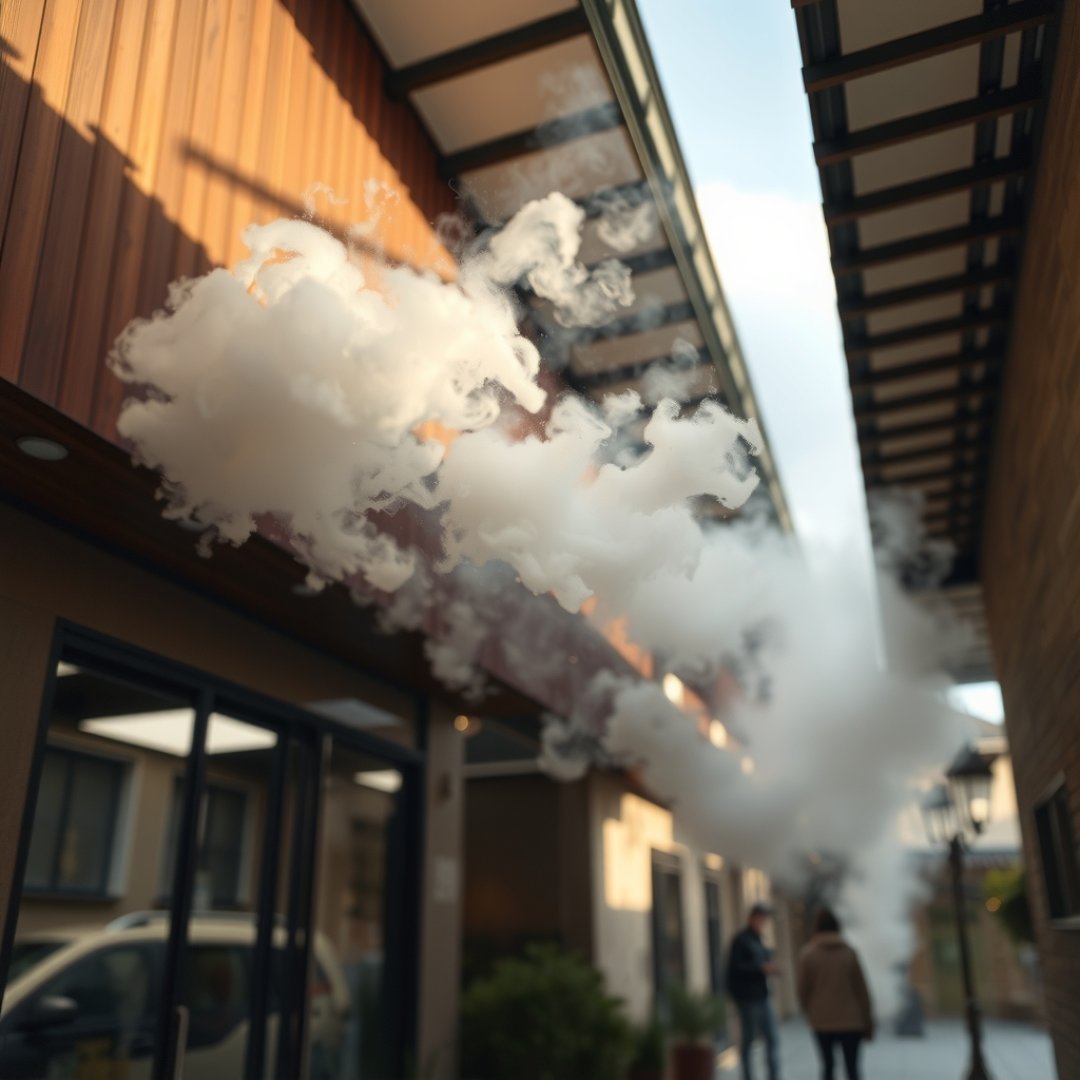
The integration of Aerosolized Phase Change Materials into modern HVAC and envelope systems represents a critical advancement in passive thermal regulation for the 2026 construction market. By utilizing micro-encapsulated latent heat storage media that can be atomized directly onto internal surfaces or into ventilation streams, architects and engineers are achieving unprecedented levels of thermal inertia in lightweight commercial structures. This approach significantly reduces the demand on mechanical heating and cooling cycles, directly impacting the operational energy intensity of buildings. Unlike traditional solid-state PCM boards, these aerosolized delivery systems allow for precise, non-invasive retrofitting of existing architectural assets, effectively leveling peak temperature fluctuations and extending the operational lifecycle of climate control hardware through lowered frequency of duty cycles.
Technical Mechanism of Aerosolized Application
Micro-encapsulation and Surface Bonding
The core technology relies on high-density polyethylene or silica-based micro-encapsulated PCM shells. These shells house organic paraffinic waxes that undergo a phase transition at specific target temperatures, typically ranging from 21°C to 24°C for human thermal comfort. Aerosolized Phase Change Materials are formulated to maintain viscosity levels suitable for electrostatic spray applications, ensuring a uniform latent heat storage layer that adheres to gypsum or concrete substrates without compromising structural integrity or vapor permeability.
- Phase Transition Enthalpy: Optimized for a latent heat capacity exceeding 150 J/g to maximize thermal buffer duration.
- Surface Adhesion: Utilizing proprietary binders that prevent the crystallization-induced peeling often seen in bulk material applications.
- Thermal Conductivity: Enhanced through nano-graphite additives to ensure rapid heat absorption during peak diurnal cycles.
Thermal Inertia and HVAC Load Reduction
Quantifying Passive Cooling Performance
Integrating these materials into the building envelope effectively shifts the thermal load profile, allowing HVAC systems to operate closer to their design-point efficiency. By absorbing excess sensible heat during the day and releasing it as temperatures drop, the building acts as a dynamic thermal battery. This reduction in peak thermal load is instrumental in meeting the rigorous energy performance requirements defined by EU RED III and similar international efficiency standards.
- Peak Shaving: Reduces the magnitude of peak cooling load by 25-35% in high-occupancy environments.
- Energy Efficiency Metrics: Enables a higher COP for heat pump systems by minimizing the delta between supply air and setpoint during extreme ambient conditions.
- Thermal Stability: Minimizes the dead-band temperature swing, thereby reducing the cycling frequency of variable-refrigerant flow systems.
Economic Viability and Regulatory Standards
CAPEX, ROI, and Compliance
For facility managers and developers, the primary advantage lies in the high ROI associated with the low CAPEX of spray-on applications compared to traditional structural insulation materials. The deployment aligns with modern building energy codes that demand higher thermal mass in low-carbon modular construction. Compliance testing according to ASTM E1269 for specific heat capacity and ISO 8301 for heat flow meter measurements validates the performance claims essential for green building certifications like LEED v5 and BREEAM.
Economic Outlook: The shift from panelized PCM solutions to aerosolized, spray-on alternatives reduces labor-intensive installation costs by approximately 40%, making them a standard for rapid energy retrofits in 2026.
Frequently Asked Questions
How do Aerosolized Phase Change Materials differ from PCM wallboard?
Aerosolized PCMs are delivered as a spray-on coating, allowing for easier retrofitting on existing surfaces and eliminating the logistical challenges of installing heavy, pre-manufactured PCM wall panels.
What is the primary benefit for building HVAC efficiency?
By providing passive thermal storage, these materials reduce peak demand, allowing heat pumps and air handling units to operate with fewer start-stop cycles, thereby extending equipment lifespan and increasing overall system efficiency.
Are these materials fire-rated for commercial use?
Yes, most commercial aerosolized PCMs are formulated with flame-retardant encapsulation shells to comply with rigorous Class A interior fire safety standards.