The evolution of grid-scale storage is increasingly pivoting toward sustainable alternatives that bypass the geopolitical and ecological volatility of traditional lithium-ion supply chains. In 2026, Aqueous Organic Redox Flow Batteries have emerged as a definitive solution for long-duration energy storage, utilizing abundant, carbon-based molecular species rather than scarce transition metals. These systems decouple power and energy by housing electrolytes in external tanks, allowing for scalable discharge durations that far exceed the four-hour limit of conventional battery chemistries. As the industry faces growing pressure to meet IEEE 1547 standards for grid interconnection, the stabilization of aqueous organic electrolytes remains the primary engineering hurdle. By leveraging redox-active quinones and viologens, these flow batteries demonstrate exceptional potential for multi-decade deployment, provided that the chemical decomposition rates are kept within narrow thresholds through advanced pH-buffer engineering and membrane selectivity enhancements.
Electrolyte Molecular Engineering
Stabilizing Redox-Active Species
Current developments focus on the synthesis of highly soluble organic molecules that exhibit rapid electron transfer kinetics. Quinone-based chemistry has seen significant optimization this year, specifically in minimizing the irreversible degradation pathways associated with nucleophilic attack and dimerization. By modifying molecular side chains, researchers have successfully pushed the chemical stability of the electrolyte to over 15,000 deep discharge cycles.
- pH Optimization: Maintaining a stable pH environment is critical for preventing the oxidation of organic radicals.
- Solubility Metrics: Achieving concentrations above 1.5M is essential for competitive energy density compared to vanadium systems.
- Membrane Selectivity: Utilizing sulfonated poly(ether ether ketone) (SPEEK) membranes to minimize active species crossover while maintaining proton conductivity.
Scaling Grid Integration and ROI
Economic Viability and CAPEX Implications
For system integrators, the primary value proposition of these flow batteries lies in their low levelized cost of storage (LCOS). Unlike vanadium redox systems, which are subject to extreme commodity price fluctuations, organic redox species are derived from scalable chemical feedstocks. The capital expenditure (CAPEX) for these installations is primarily driven by the stack size, while energy storage capacity is scaled linearly through larger, non-pressurized tank infrastructure.
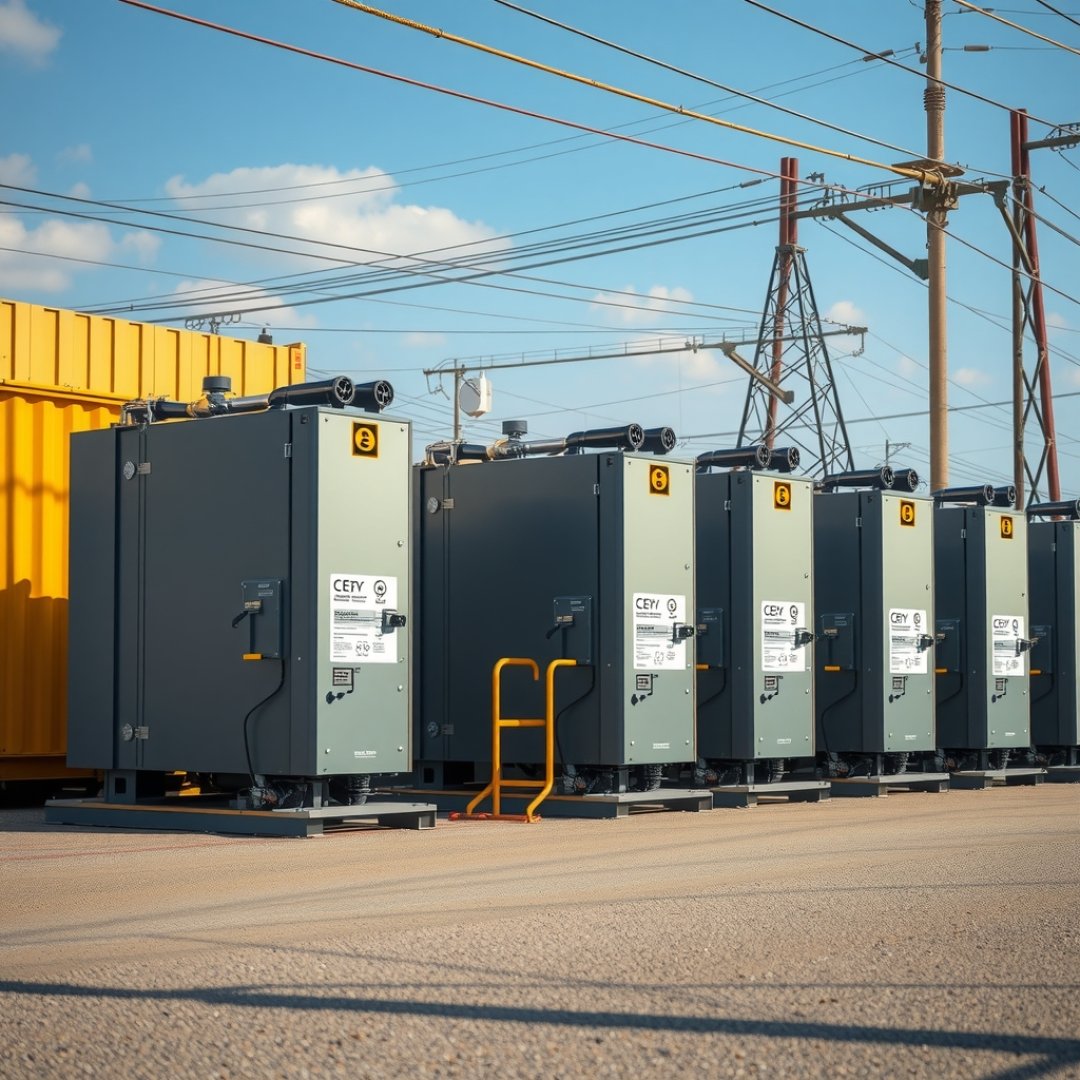
- Modular Stacking: Allowing for rapid deployment of containerized units in microgrid configurations.
- Maintenance Cycles: Reduced complexity in electrolyte management translates to lower O&M costs over a 20-year service life.
- Grid Ancillary Services: High response precision makes these units ideal for frequency regulation alongside long-duration peak shaving.
Safety Standards and Environmental Impact
Regulatory Compliance and Sustainability
The transition to non-toxic, water-based electrolytes provides a significant advantage in urban planning and fire safety certifications. Unlike BESS systems relying on volatile liquid electrolytes, aqueous redox systems are inherently non-flammable, significantly reducing the burden of passive containment and fire suppression systems required by local building codes. Furthermore, the recyclability of the organic components aligns with the stringent mandates set forth by the EU Circular Economy Action Plan, ensuring that end-of-life battery disposal does not pose a legacy contamination risk.
Frequently Asked Questions
What is the primary advantage of organic flow batteries over vanadium systems?
Organic flow batteries utilize abundant, low-cost molecular feedstocks, avoiding the high cost and supply chain instability of vanadium, while also offering lower toxicity.
How do these batteries achieve long-duration storage?
Because the energy is stored in external tanks, the capacity can be scaled simply by increasing the tank size without the need for additional stack modules, which is the main cost driver for power.
Are these batteries suitable for fire-prone areas?
Yes. Since the electrolyte is aqueous and non-flammable, these systems are inherently safer than lithium-ion installations and require less intensive fire suppression hardware.