
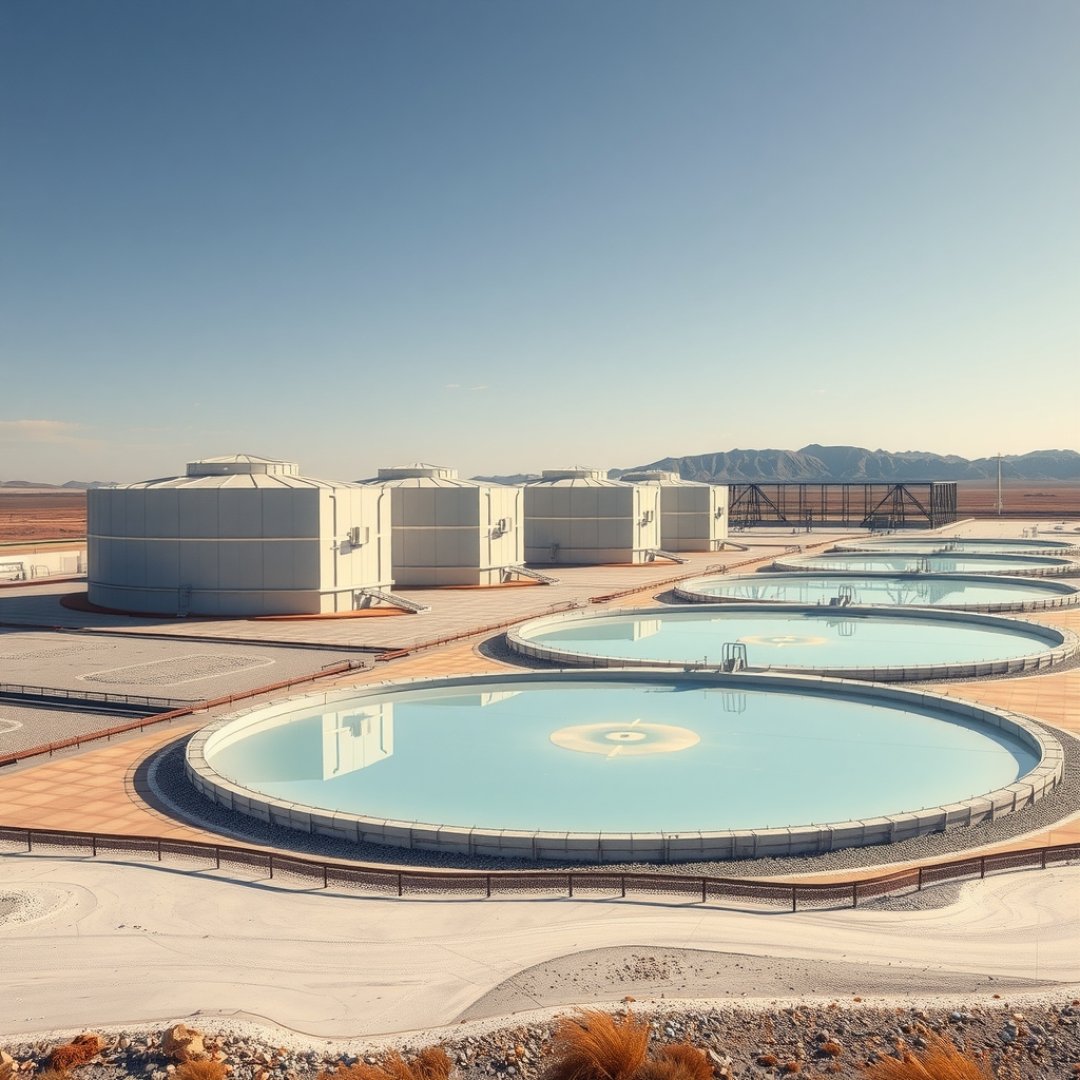
As the global transition toward carbon-neutral power grids accelerates into late 2026, Molten Salt Thermal Storage has emerged as the definitive solution for overcoming the intermittency challenges inherent in large-scale concentrated solar power (CSP) projects. By utilizing high-heat-capacity binary salt mixtures, typically composed of sodium nitrate and potassium nitrate, these systems allow utility-scale facilities to decouple solar energy collection from electricity generation. This critical capability enables dispatchable energy supply during peak demand hours, effectively transforming solar assets into reliable base-load contributors. For engineers and grid operators, the optimization of these thermal storage architectures is paramount for achieving high thermodynamic cycle efficiency, reducing levelized cost of electricity (LCOE), and meeting the stringent grid stability mandates required under evolving international clean energy standards. As we refine salt stability and heat exchanger durability, the role of these storage systems continues to redefine energy market dynamics.
Thermodynamic Principles and Material Selection
Salt Composition and Heat Capacity
Modern Molten Salt Thermal Storage designs prioritize a binary nitrate salt eutectic that remains liquid across a wide temperature range, typically spanning from 290°C to over 565°C. This operational range is vital for sustaining efficient Rankine or supercritical CO2 power cycles.
- Operating Window: The salt must maintain low viscosity while resisting degradation at elevated temperatures.
- Energy Density: Volumetric heat capacity is a critical metric for reducing the footprint of massive onsite storage tanks.
- Corrosion Resistance: Advanced stainless steel alloys, such as those compliant with ASME BPV standards, are utilized to mitigate the corrosive effects of molten nitrates over long cycles.
Efficiency Metrics and Grid Integration
Optimizing Round-Trip Efficiency
The performance of these systems is measured by round-trip efficiency (RTE), which accounts for thermal losses during the storage and heat exchange phases. By integrating sophisticated predictive control algorithms, operators can minimize thermal stratification, ensuring consistent output temperatures for turbine generators.
- Thermal Insulation: Deployment of advanced aerogel-based refractory linings to minimize heat loss to ambient air.
- Discharge Duration: Systems are currently optimized for 8 to 16 hours of full-load discharge, providing essential grid ancillary services such as frequency response.
- IEEE 1547 Compliance: Ensuring power output harmonics meet strict interconnection requirements for synchronization with the smart grid.
Economic Viability and CAPEX Considerations
Scaling for Market Competitiveness
To compete with battery energy storage systems (BESS), Molten Salt Thermal Storage focuses on lowering the CAPEX per kilowatt-hour of storage capacity. The economic outlook for 2026 relies on modularizing the heat-transfer fluid loops and extending the operational lifespan of the molten salt inventory through proprietary chemical reconditioning processes.
Investment Drivers:
- Scale Benefits: Larger installations realize significant economies of scale, driving down the unit cost of heat storage medium.
- Long Asset Life: Unlike lithium-ion counterparts, thermal salt tanks exhibit minimal capacity degradation over 25+ years of daily cycling.
- Ancillary Revenue: The ability to provide synthetic inertia and black-start capabilities adds significant value beyond raw energy shifting.
Frequently Asked Questions
What is the typical operating temperature range for molten salt systems in 2026?
Most modern commercial systems operate between 290°C (cold tank) and 565°C (hot tank) to optimize efficiency in standard power blocks.
How does Molten Salt Thermal Storage differ from battery storage?
It stores energy as heat rather than chemical energy, allowing for longer discharge durations, lower degradation over time, and massive scaling without the same fire risk or raw material scarcity issues.
Can molten salt systems be retrofitted to existing solar plants?
While technically possible, it is most efficient to integrate these storage systems during the initial architectural design phase of a concentrated solar power facility to ensure proper thermal coupling.