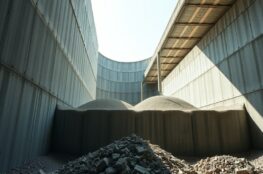
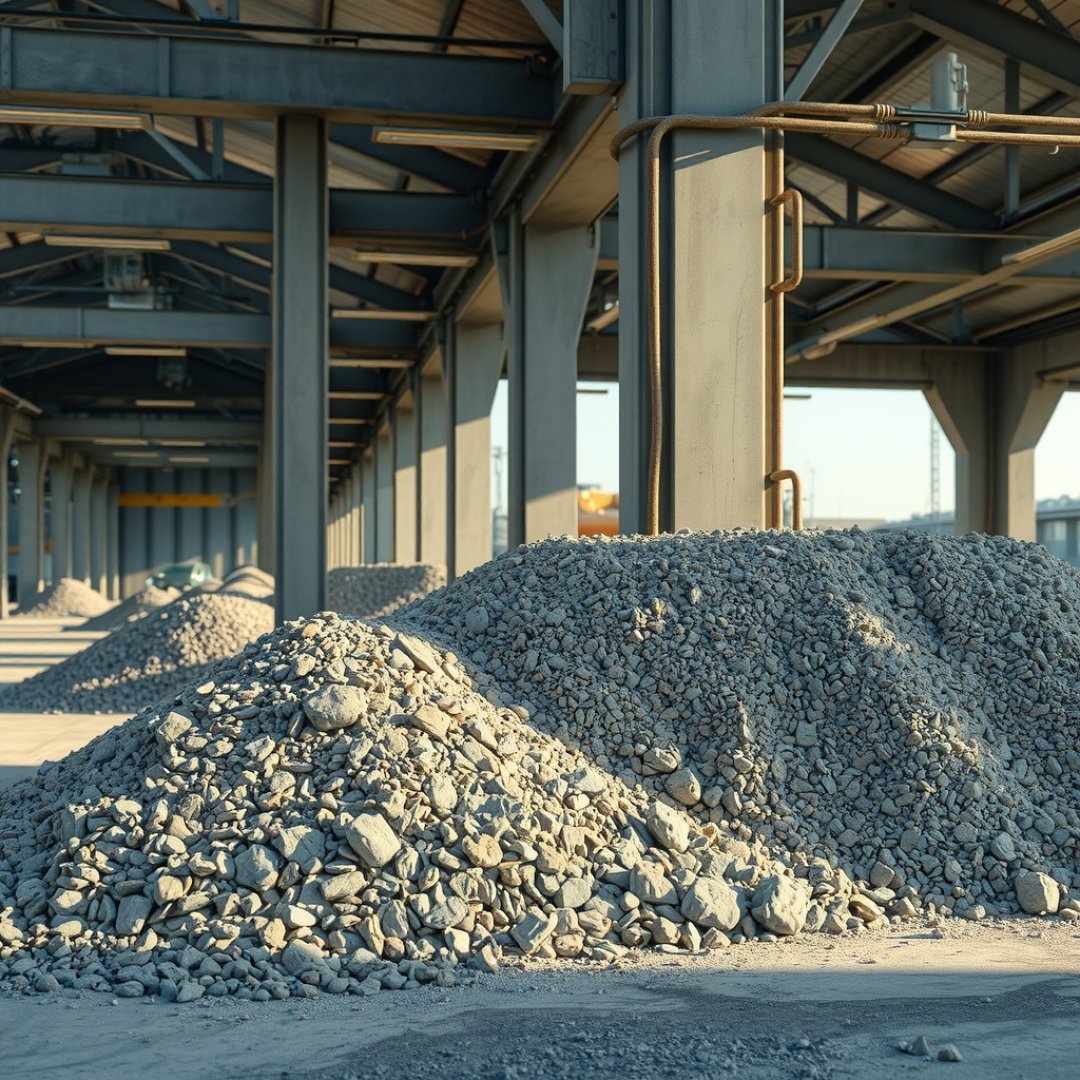
As global construction sectors pivot toward circular economy principles, the adoption of Recycled Aggregate Concrete has emerged as a cornerstone strategy for reducing the embodied carbon footprint of modern infrastructure. By repurposing crushed demolition waste as a substitute for virgin natural aggregates, engineers are navigating the complex balance between environmental sustainability and the rigorous mechanical demands of high-performance building frames. In 2026, the focus has shifted beyond mere feasibility to the precise quantification of load-bearing performance, long-term creep characteristics, and the chemical integration of supplementary cementitious materials. This analysis explores how current structural engineering standards are evolving to accommodate recycled constituents while maintaining safety factors and longevity in high-density urban environments, setting a new benchmark for structural integrity in sustainable design.
Mechanical Properties and Performance Metrics
Compressive Strength and Elastic Modulus
Integrating Recycled Aggregate Concrete (RAC) into structural load-bearing elements requires strict adherence to revised material property benchmarks. Research confirms that substituting natural gravel with high-quality recycled crushed concrete aggregate can maintain 85-95% of traditional compressive strength when the water-cement ratio is carefully optimized.
- Porosity Challenges: Recycled aggregates often feature higher water absorption rates due to adhering mortar, necessitating the use of pre-saturation techniques or advanced superplasticizers.
- Elastic Modulus Reduction: Engineering models show a 10-20% decrease in the modulus of elasticity compared to conventional mixes, requiring thicker cross-sections in specific load-bearing columns.
Chemical Integration and Durability Standards
Supplementary Cementitious Materials (SCMs)
To offset the structural compromises of recycled aggregates, modern mix designs incorporate SCMs like ground granulated blast-furnace slag (GGBS) and fly ash. These additives improve the interfacial transition zone (ITZ) between the recycled stone and the cement paste, enhancing overall durability.
- Chloride Resistance: The refined pore structure achieved via SCMs significantly limits ion permeability, which is essential for projects near corrosive coastal environments.
- Carbonation Rates: Standardized tests indicate that while RAC may exhibit higher carbonation depth, the incorporation of silica fume effectively mitigates these risks, ensuring the protection of reinforcing steel bars over a 50-year design life.
Economic and Regulatory Implications
CAPEX and Environmental ROI
From an economic standpoint, the deployment of Recycled Aggregate Concrete is increasingly driven by regulatory frameworks that incentivize carbon sequestration and landfill diversion. Project managers are seeing an improved ROI as the cost of waste disposal rises and local sourcing of recycled materials reduces logistics-related overhead.
- Certification Compliance: Adherence to updated ASTM and EN standards allows for the structural certification of RAC-based beams and slabs in commercial builds.
- Life-Cycle Assessment (LCA): By using recycled components, developers can reduce the Global Warming Potential (GWP) of a structural frame by up to 25%, drastically improving building sustainability ratings in 2026.
Frequently Asked Questions
Is recycled aggregate concrete safe for high-rise structural applications?
Yes, provided the material undergoes rigorous laboratory testing for compressive strength and elastic modulus, and is specified in compliance with current structural engineering standards for recycled content.
How does recycled aggregate affect the water-cement ratio?
Recycled aggregates typically exhibit higher porosity, which increases water demand. Engineers must use advanced superplasticizers and precise pre-saturation methods to maintain the optimal water-cement ratio.
What is the primary benefit of using SCMs with recycled concrete?
Supplementary cementitious materials enhance the interfacial transition zone between aggregates and paste, improving long-term durability and resistance to chemical ingress.