
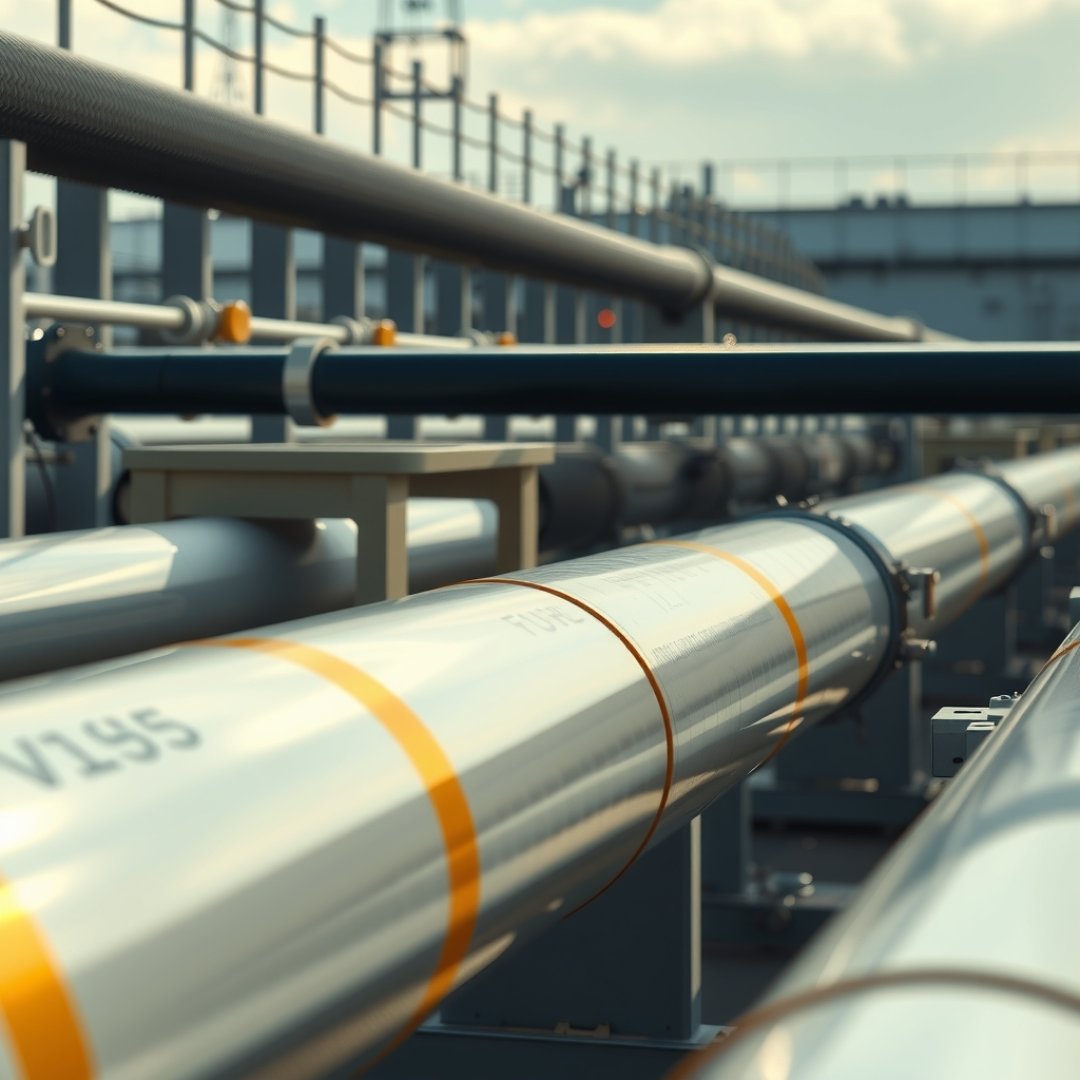
As the global energy landscape transitions toward a hydrogen-based economy, the deployment of Compressed Hydrogen Pipelines has emerged as the critical bottleneck for wide-scale industrial integration. By August 2026, the focus has shifted from mere pipe material selection to complex, integrated infrastructure management that ensures safety, efficiency, and environmental compliance. These high-pressure transport networks, designed to operate at pressures exceeding 70 bar, require rigorous adherence to ASME B31.12 standards to prevent hydrogen embrittlement in legacy steel systems. As engineers scale these networks to support regional decarbonization, addressing permeability and real-time monitoring of leakage metrics becomes paramount for maintaining the structural integrity of the smart grid energy backbone. This analysis examines the current state of pipeline development, the material challenges associated with long-term gaseous hydrogen exposure, and the innovative sensing technologies that allow for precise leak detection in modern, multi-directional transport grids.
Material Compatibility and Embrittlement Mitigation
Addressing Hydrogen-Induced Cracking
The primary concern with Compressed Hydrogen Pipelines is the diffusion of atomic hydrogen into metal lattices, leading to localized ductility loss and hydrogen-induced cracking (HIC). Current 2026 standards prioritize the utilization of high-strength, low-alloy (HSLA) steels that are specifically treated to minimize grain boundary vulnerability.
- Material Selection: Implementation of API 5L X65 and X70 grade steels.
- Inhibitors: Application of internal polymer liners to reduce contact duration between gaseous H2 and the metallic pipe wall.
- Pressure Cycling: Engineering calculations now include fatigue crack growth rates based on variable-pressure operational demands.
Advanced Leakage Detection and Sensing Technologies
Sensors and Real-Time Grid Monitoring
Effective management of hydrogen assets relies on rapid, high-sensitivity detection to prevent explosive concentrations and economic loss. Modern infrastructure integrates a multi-layered sensing architecture that communicates directly with central grid management platforms.
Technological Implementation
Standard detection methods have evolved to include:
- Fiber Optic Distributed Sensing: Utilizing Brillouin scattering to detect localized thermal or acoustic anomalies along the pipeline length.
- Solid-State MEMS Sensors: Deploying metal-oxide semiconductor sensors directly onto the pipeline exterior at critical valve points.
- Data Integration: Utilizing IIoT gateways that feed leak detection data into the grid’s digital twin for autonomous pressure adjustments.
Economic Viability and Regulatory Compliance
ROI and Infrastructure Standards
The CAPEX associated with upgrading existing natural gas infrastructure versus constructing dedicated green hydrogen arteries remains a decisive factor for industry stakeholders. By 2026, the EU RED III directives provide clear pathways for blending and pure-hydrogen transport, influencing project financing.
Key Economic Metrics:
- Compression Power Consumption: Balancing the energy intensity of compressors against the throughput of the pipeline.
- Operational Expenditure (OPEX): Routine testing for hydrogen permeability is now a mandatory regulatory requirement for insurance underwriting.
- Retrofit Efficiency: Utilizing existing easements significantly lowers initial capital requirements, provided the conversion of materials complies with updated ASME safety thresholds.
Frequently Asked Questions
What is the primary constraint of retrofitting existing natural gas pipelines for hydrogen?
The primary constraint is hydrogen embrittlement of steel welds and existing seal materials, which requires comprehensive metallurgical assessments and potential replacement of valve gaskets and joints.
What pressure levels do modern hydrogen pipelines maintain?
Commercial high-pressure transport pipelines typically operate in the range of 70 to 100 bar, necessitating specialized compressor technology and reinforced structural integrity.
How does fiber optic sensing improve pipeline safety?
Fiber optic sensing allows for continuous, real-time monitoring of strain and temperature changes across the entire length of a pipeline, enabling the pinpointing of micro-leaks long before they become critical failures.