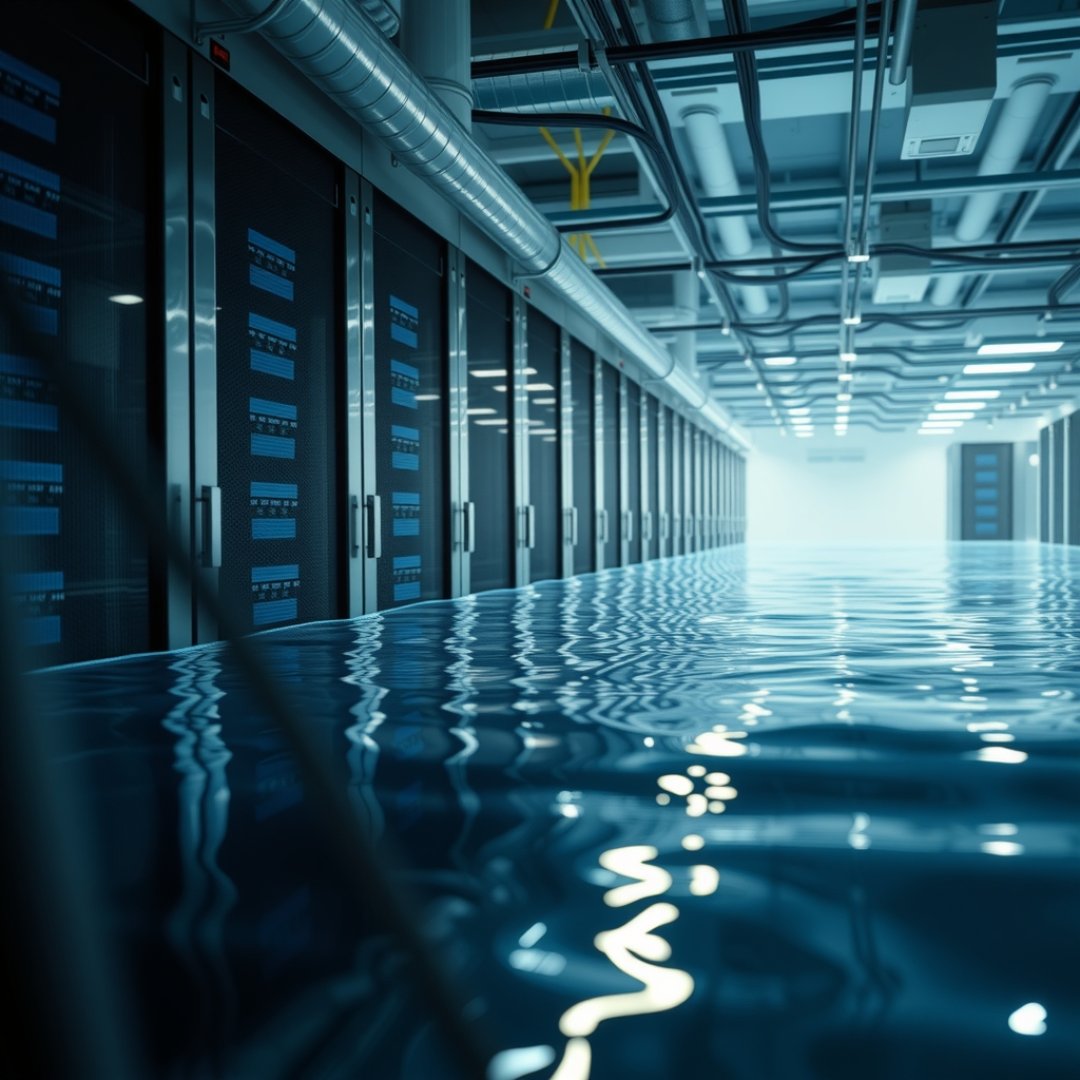
The rapid proliferation of artificial intelligence and high-performance computing clusters has forced a paradigm shift in facility engineering, specifically regarding thermal regulation. Submerged Data Center Cooling represents the current gold standard for enterprise-level heat dissipation, replacing inefficient air-based systems with dielectric fluids that possess significantly higher thermal conductivity. By facilitating direct heat transfer from heat-generating components such as GPUs and CPUs into a specialized liquid medium, operators are observing unprecedented reductions in Power Usage Effectiveness (PUE) metrics. As of August 2026, this technology is no longer relegated to niche edge deployments but is increasingly becoming a foundational requirement for hyperscale facilities aiming to minimize operational expenditures while adhering to strict environmental, social, and governance (ESG) reporting standards regarding energy consumption.
Thermal Physics and Dielectric Fluid Performance
Mechanism of Heat Dissipation
Unlike traditional forced-air ventilation, Submerged Data Center Cooling leverages the thermal capacity of engineered dielectric fluids. These fluids are non-conductive, allowing for the total immersion of server boards and electrical components without short-circuiting. The mechanism relies on forced convection where a pump circulates the fluid through a heat exchanger or a dry cooler circuit.
Critical Performance Metrics
- Thermal Conductivity: Engineered synthetic fluids typically outperform air by a factor of 1,000 in terms of heat transfer efficiency.
- Viscosity Management: Maintaining optimal fluid viscosity at variable operating temperatures is essential to minimize pumping power overhead.
- Material Compatibility: Ensuring that seals, gaskets, and PCB coatings are compatible with immersion fluids is critical for long-term hardware reliability and preventing equipment degradation.
CAPEX and Operational ROI Analysis
Capital Expenditure Considerations
While the initial CAPEX for tank infrastructure and fluid management systems exceeds that of conventional CRAC (Computer Room Air Conditioning) units, the total cost of ownership (TCO) shifts favorably over a five-year horizon. Operators benefit from the removal of energy-intensive server fans, which often account for 10-15% of total server power draw, and the elimination of traditional mechanical chillers.
Operational Efficiency Gains
By achieving a PUE approaching 1.02 to 1.05, companies can drastically reduce their electricity demand. Furthermore, the high thermal density allowed by immersion cooling reduces the physical footprint of the data center, directly lowering real estate and facility maintenance costs. ROI is typically accelerated by the ability to house high-density racks in spaces that would be physically impossible to cool using standard airflow techniques.
Regulatory Standards and Compliance
Energy Efficiency Protocols
Modern immersion setups must align with evolving international standards such as the EU Code of Conduct on Data Centre Energy Efficiency. By utilizing waste heat recovery loops, these submerged systems can supply low-grade thermal energy to district heating networks, aligning with the EU RED III mandate for sustainable heat integration.
Fire Safety and Environmental Standards
Compliance with NFPA and local fire safety codes is paramount. Operators must implement secondary containment systems to manage fluid spill risks and ensure that the selected dielectric fluids meet stringent toxicity and biodegradability standards, such as UL94 fire safety ratings and REACH chemical compliance, ensuring the facility remains within regulatory green energy guidelines.
Frequently Asked Questions
How does immersion cooling improve PUE compared to traditional air cooling?
Immersion cooling eliminates the need for power-hungry server fans and drastically reduces the load on mechanical cooling plants, allowing the facility to achieve a PUE significantly closer to the ideal ratio of 1.0.
What is the primary risk associated with submerged server technology?
The primary technical risk involves material compatibility; if the dielectric fluid is not chemically matched to the server components, it can cause the degradation of gaskets, optical transceivers, or specialized PCB materials over time.
Can immersion cooling be integrated into existing data center facilities?
Yes, modular immersion tanks can be retrofitted into existing data center floors, though facility managers must ensure floor loading capacities are sufficient to handle the weight of the liquid-filled tanks.