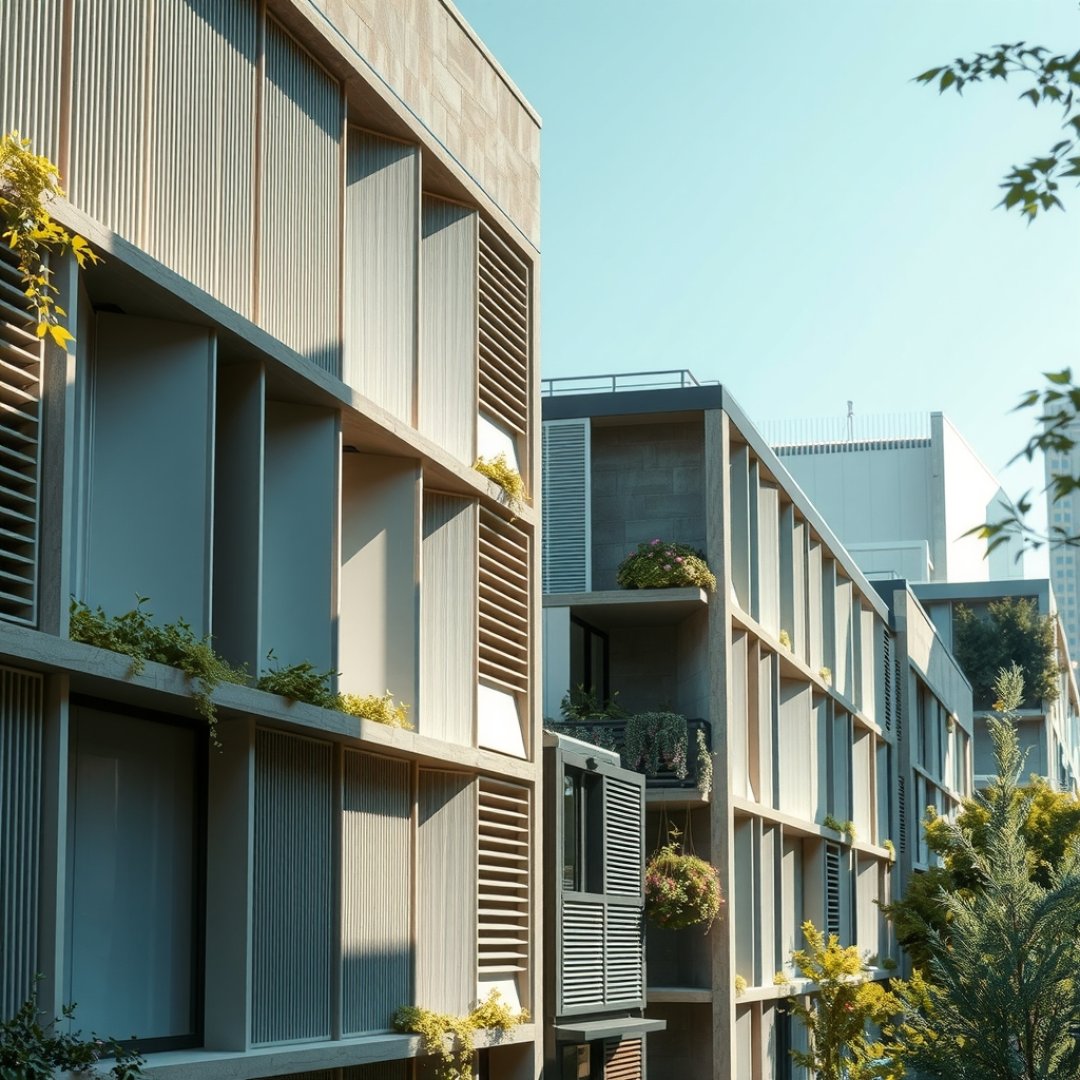
Biomimetic Ventilated Facades represent a critical leap in passive climate control, drawing inspiration from natural thermoregulation strategies found in desert-dwelling organisms to minimize reliance on mechanical HVAC systems. As of August 2026, these high-performance building skins utilize advanced algorithmic design and responsive materials to optimize air buoyancy-driven cooling. By integrating chimney-effect air chambers and light-responsive micro-louvers, these systems significantly reduce heat gain while maintaining optimal thermal comfort across diverse climate zones. Engineering teams are increasingly adopting these facades to meet stringent EU EPBD mandates, as they provide a tangible reduction in cooling loads by facilitating laminar airflow and radiative heat rejection. The convergence of computational fluid dynamics and biomimetic principles allows architects to deliver buildings that not only sequester carbon through material choices but also actively regulate internal temperatures through passive, site-specific physical dynamics.
Mechanisms of Buoyancy-Driven Airflow
Principles of the Stack Effect
The primary mechanism driving these facades is the stack effect, where temperature differentials between the external environment and the facade cavity generate natural convection currents. By configuring external cladding with variable porosity, engineers can create pressure gradients that pull warm air away from the building envelope.
- Thermal Buffer Zones: The gap between the outer skin and the insulation layer acts as a buffer, preventing solar radiation from hitting the structural wall directly.
- Laminar Flow Optimization: Using CFD simulations, the air chamber geometry is tuned to maximize laminar flow, reducing friction losses and increasing the volume of air exchange.
- Performance Metrics: Efficiency is measured by the air exchange rate per hour and the reduction in surface temperature of the primary structural wall, often seeing a decrease of up to 12 degrees Celsius under peak solar exposure.
Material Integration and Smart Control
Advanced Material Properties
Modern implementations utilize shape-memory alloys (SMAs) or thermotropic hydrogels within the facade assembly to modulate porosity without external power inputs. These materials respond autonomously to ambient temperature fluctuations.
Smart Material Integration:
- Thermotropic Polymers: These layers alter their opacity and thermal conductivity as temperatures rise, effectively gating the amount of infrared energy entering the cavity.
- Shape-Memory Actuation: Passive micro-actuators deploy shading fins when surface temperatures exceed a predefined set point, ensuring structural safety and thermal inertia.
- Regulatory Compliance: These passive systems assist in satisfying the rigorous requirements of ASHRAE 90.1, specifically in categories related to envelope thermal performance and reduced cooling demand.
Economic Implications and ROI
Investment and Operational Lifecycle
While the initial CAPEX for biomimetic systems is higher than conventional rainscreen facades, the lifecycle analysis demonstrates a favorable return on investment driven by operational expenditure (OPEX) savings. Integrating these systems reduces the sizing requirements for mechanical cooling equipment by up to 30%, which significantly lowers the HVAC capital budget.
Strategic Economic Advantages:
- Reduced Peak Load: By shifting the building’s peak cooling demand, owners can avoid peak-hour energy surcharges.
- Regulatory Incentives: Many jurisdictions now offer tax credits for high-performance envelopes that exceed zero-carbon building standards.
- Lifecycle Durability: Reduced thermal stress on the structural core extends the building’s operational lifespan, reducing maintenance cycles for critical infrastructure.
Frequently Asked Questions
How do Biomimetic Ventilated Facades differ from standard ventilated rainscreens?
Standard rainscreens primarily focus on moisture control, whereas biomimetic designs use specific geometries and responsive materials to actively modulate heat transfer and facilitate buoyancy-driven convective cooling.
Are these facades compatible with existing retrofitting projects?
Yes, many modular biomimetic systems are designed for installation over existing masonry or curtain wall systems, though a structural integrity assessment is required to handle the wind loads of the additional outer layer.
What is the typical reduction in cooling load expected from this technology?
Depending on climate zone and building orientation, simulations and post-occupancy evaluations in 2026 suggest a 20% to 40% reduction in peak cooling energy demand compared to traditional high-performance curtain walls.