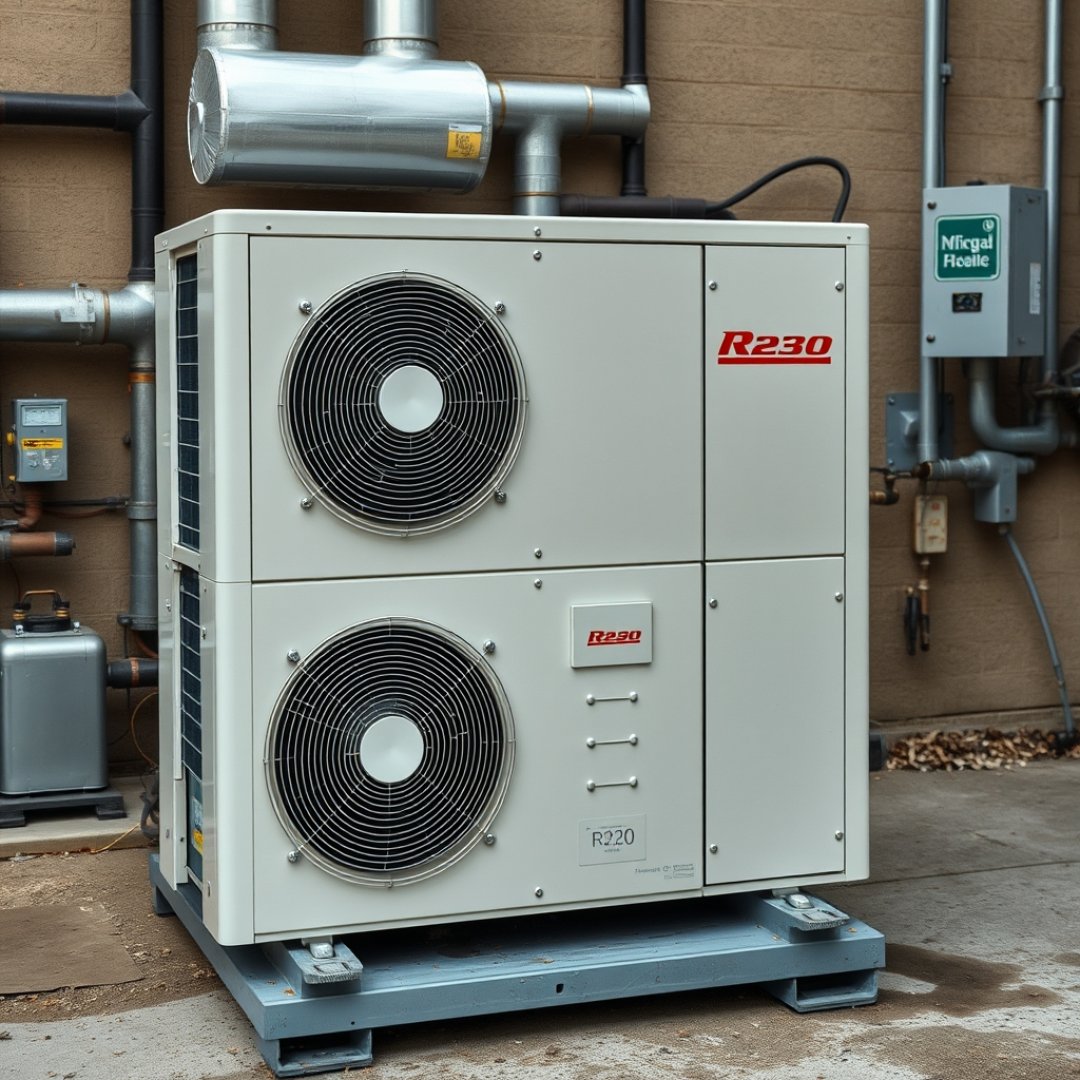
The rapid transition toward natural refrigerants has established the R290 heat pump as the industry standard for high-efficiency residential and light commercial heating solutions in 2026. With a Global Warming Potential (GWP) of only 3, propane-based systems offer a critical alternative to traditional HFC-based units that face strict phase-downs under current environmental regulations. As engineers and system integrators optimize these systems for higher supply temperatures, understanding the thermodynamic advantages and the rigorous safety protocols required for hydrocarbon integration remains essential for successful deployment in modern net-zero building architectures.
Thermodynamic Efficiency and Operational Metrics
Optimizing Coefficient of Performance
The R290 refrigerant excels due to its superior thermodynamic properties, allowing for higher volumetric cooling capacity and efficient heat transfer. In modern hydronic systems, an R290 heat pump can achieve a Coefficient of Performance (COP) exceeding 4.5 at moderate ambient conditions, significantly outperforming legacy synthetic refrigerants. Key efficiency advantages include:
- Higher thermal conductivity leading to smaller heat exchanger footprints.
- Excellent performance in low-ambient conditions down to -25°C.
- Stable operation during high-temperature lift cycles without compromising component longevity.
Safety Standards and System Integration
Compliance with IEC 60335-2-40
Because propane is classified as an A3 flammable refrigerant, the design of an R290 heat pump must strictly adhere to international safety standards, specifically IEC 60335-2-40. Manufacturers employ advanced containment strategies and ventilation hardware to mitigate risk, even in high-density residential installations. Crucial safety components include:
- Integrated leak detection sensors that trigger emergency power-off sequences.
- Hermetically sealed compressor compartments to prevent ignition sources.
- Controlled charge limits based on room volume to ensure safe concentration levels in the event of a catastrophic leak.
CAPEX and Economic ROI Considerations
Long-term Cost Analysis
While the initial CAPEX for an R290 heat pump may be slightly higher due to specialized ignition-proof components and safety certification requirements, the long-term ROI is bolstered by lower operational costs. As EU RED III and other global frameworks tighten standards for building emissions, systems utilizing R290 avoid the future taxation and maintenance volatility associated with high-GWP synthetic refrigerants. Economic benefits encompass:
- Reduced long-term liability regarding refrigerant phase-out compliance.
- Significant electricity cost savings driven by superior heat cycle efficiency.
- Compatibility with smart grid demand-response protocols that prioritize low-carbon heating sources.
Frequently Asked Questions
Why is the GWP of R290 lower than standard synthetic refrigerants?
R290 is pure propane, a natural hydrocarbon with a Global Warming Potential of 3, compared to traditional refrigerants like R410A which have GWPs in the thousands.
Are R290 heat pumps safe for indoor installation?
Yes, provided the installation adheres to IEC 60335-2-40 standards, which mandate strict refrigerant charge limits and safety ventilation to ensure that potential leaks remain well below the lower flammability limit.
Do R290 heat pumps work in very cold climates?
Yes, they are highly effective at low temperatures. Many R290 units are designed specifically to maintain high heat output even when outdoor ambient temperatures drop significantly below freezing.