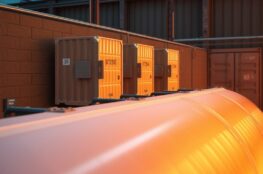
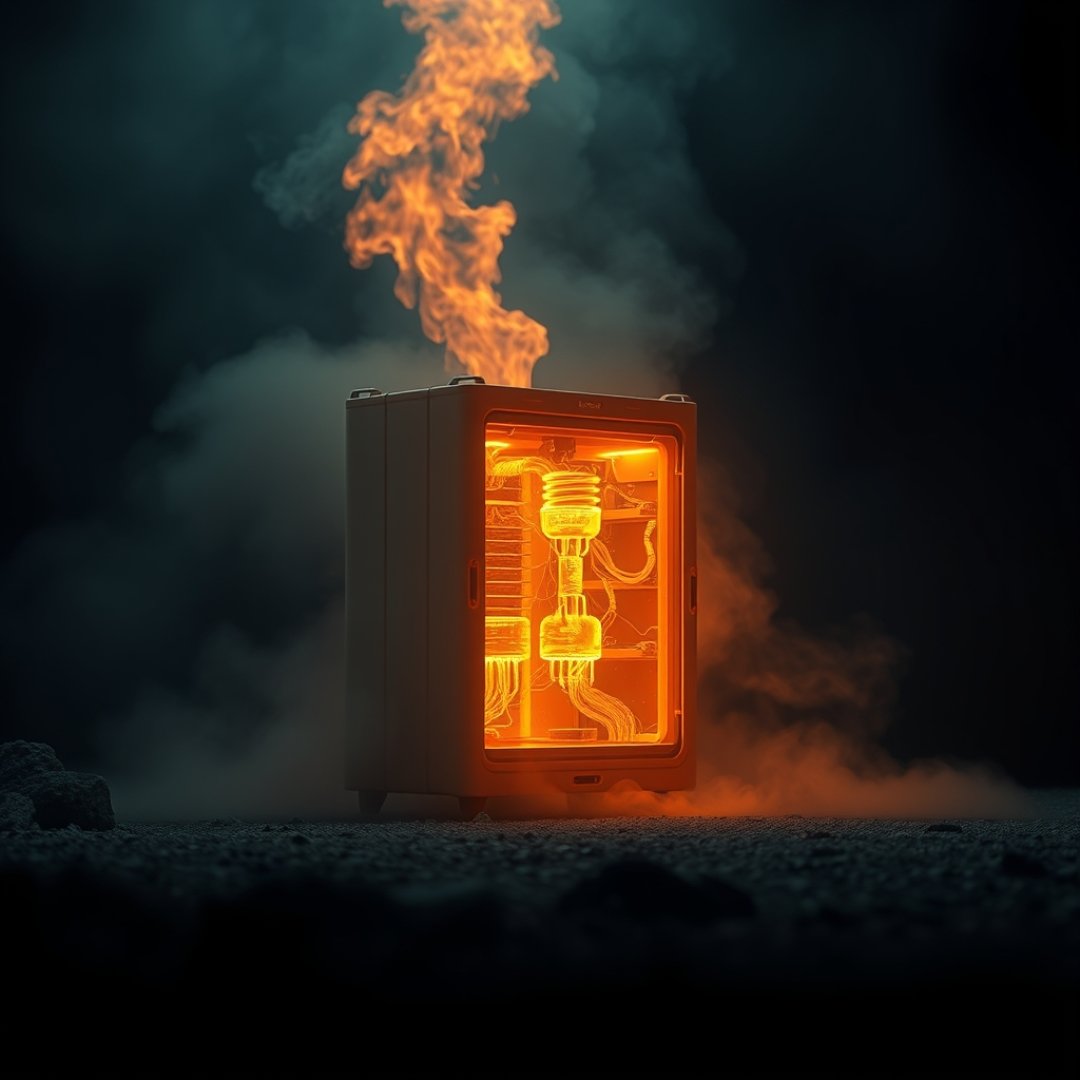
The integration of high-density battery energy storage systems (BESS) into the modern grid demands a rigorous approach to safety engineering, particularly regarding BESS thermal runaway mitigation. As lithium-ion chemistries push toward higher energy density, the risk of exothermic chain reactions during fault conditions has necessitated a shift from active fire suppression alone toward multi-layered, passive containment architectures. By July 2026, industry standards such as UL 9540A and NFPA 855 have established stringent testing protocols, forcing developers to prioritize cell-level cooling, flame-retardant ceramic separators, and advanced enclosure venting designs that prevent catastrophic propagation across rack modules. This article examines the technical mechanisms behind current containment hardware and the evolving regulatory framework governing deployment in commercial energy storage installations.
Mechanisms of Propagation and Mitigation
Electrochemical Stability
At the core of BESS thermal runaway prevention is the stabilization of the solid-electrolyte interphase (SEI) layer. Recent hardware iterations utilize high-temperature ceramic separators that maintain structural integrity above 200°C, effectively delaying short-circuit propagation during cell-level degradation.
Passive Cooling Integration
- Phase-Change Materials (PCM): Integrated thermal management layers absorb peak exothermic heat, preventing adjacent cells from reaching their self-heating threshold.
- Intumescent Coatings: Applied to rack enclosures, these materials expand upon heat exposure to create an insulating barrier, slowing the transfer of thermal energy between cabinets.
Regulatory Standards and Safety Testing
Compliance with UL 9540A
The UL 9540A test method remains the gold standard for evaluating battery system fire hazards. It requires manufacturers to demonstrate that a single cell ignition does not escalate into an uncontrolled fire event. System integrators must now provide empirical validation that their enclosure venting systems successfully direct high-pressure gases away from sensitive power electronics.
NFPA 855 Requirements
NFPA 855 guidelines have evolved to dictate strict spacing between BESS units and fire-rated barriers. Engineers are now utilizing computational fluid dynamics (CFD) modeling to ensure that ventilation systems maintain gas concentration levels below the lower explosive limit (LEL) during off-gassing events.
Economic Implications and CAPEX Optimization
Risk-Adjusted CAPEX
While passive containment features like integrated non-flammable thermal barriers increase upfront capital expenditure by approximately 8-12%, the long-term ROI is secured through reduced insurance premiums and minimized risk of total site loss. Asset managers are prioritizing systems with verified containment metrics to ensure insurability in an increasingly cautious commercial market.
Maintenance and Operational Lifespan
Effective thermal management extends the cycle life of the BESS by maintaining consistent operating temperatures, thereby reducing the probability of internal dendrite formation. Consequently, hardware that emphasizes passive safety often shows a superior performance profile in terms of total 20-year energy throughput compared to units lacking robust containment architectures.
Frequently Asked Questions
What is the primary function of UL 9540A testing?
It assesses the capability of a battery system to contain thermal runaway at the cell, module, and rack levels, ensuring that a single-cell fire does not propagate.
How do passive cooling materials function in BESS?
Passive materials like phase-change substances absorb and store thermal energy during a spike, delaying the heat transfer process and buying critical time for automated safety systems to activate.
Does passive containment impact the overall energy density of the battery?
Adding fire-rated barriers and thermal insulators does slightly increase the footprint, but it is necessary for meeting safety standards that permit high-density installations in constrained grid environments.