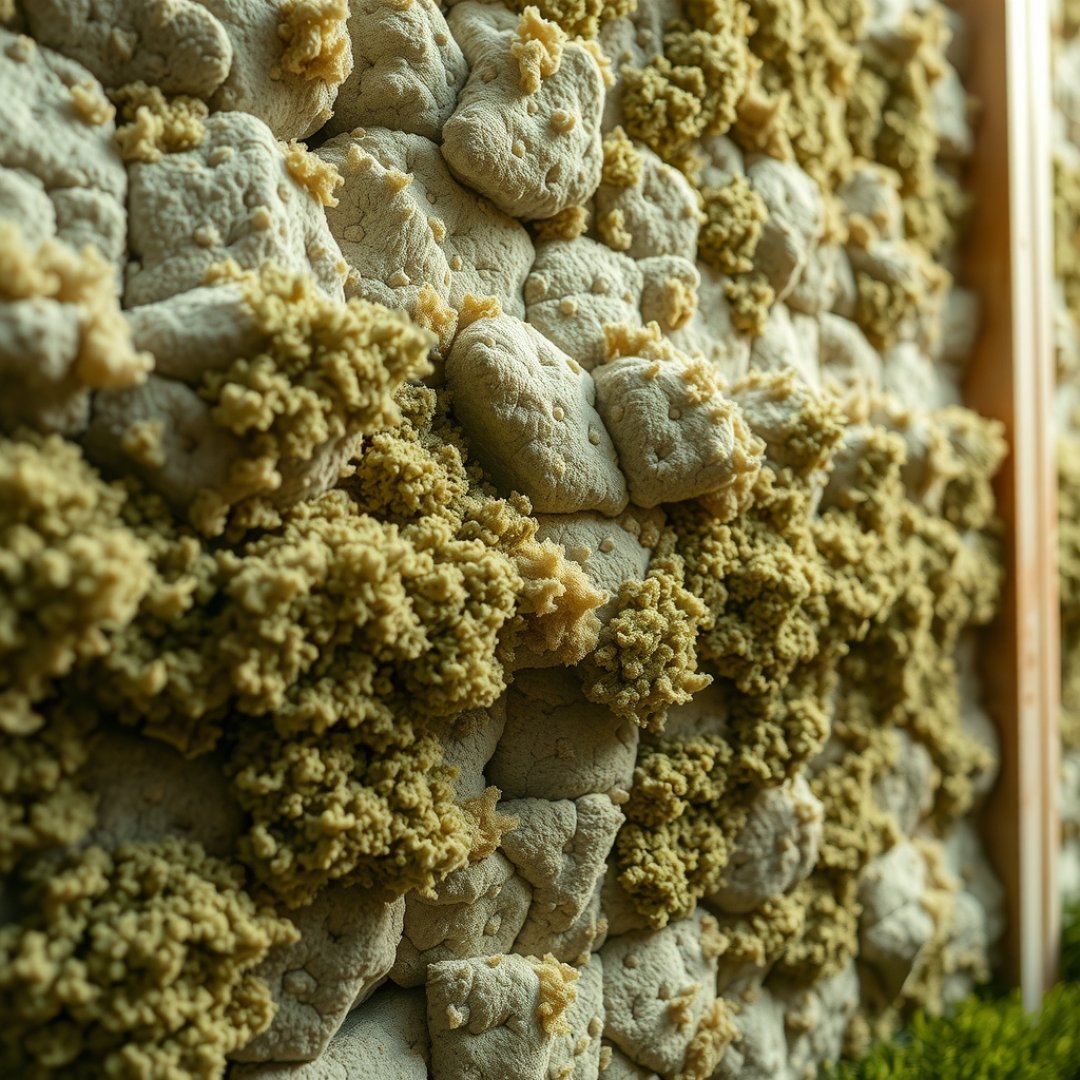
The integration of Mycelium-Based Composite Insulation into contemporary building envelopes represents a significant shift toward regenerative architecture in 2026. As the construction industry faces mounting pressure to reduce embodied carbon, this bio-fabricated material offers an exceptional alternative to traditional synthetic foams and mineral wools. By utilizing the root structures of fungi grown on agricultural waste substrates, engineers are producing high-performance panels that demonstrate remarkable thermal resistance and inherent fire-retardant properties. Beyond the environmental benefits of sequestering carbon during the growth phase, Mycelium-Based Composite Insulation provides a modular, low-CAPEX solution for architects seeking to comply with increasingly stringent EU and North American building energy efficiency standards. This article examines the mechanical properties, manufacturing scalability, and rigorous fire-resistance testing that currently define the market adoption of fungal-derived insulation in large-scale residential and commercial projects.
Thermal Resistance and Structural Integrity
Quantifying Insulation Efficiency
Mycelium-Based Composite Insulation generally achieves a thermal conductivity (k-value) between 0.030 and 0.040 W/m·K, making it competitive with expanded polystyrene. This performance is largely dependent on the density of the fungal mycelial network and the selection of the substrate, such as hemp hurd or straw.
Mechanical Load Bearing
Unlike loose-fill insulation, these composites offer structural rigidity. Engineers monitor the following metrics:
- Compressive strength: Typically ranging from 0.1 to 0.5 MPa depending on the harvest phase.
- Density variations: Customization allows for lighter acoustic baffles or higher-density load-bearing components.
- Dimensional stability: Controlled drying processes ensure minimal shrinkage after installation in building cavities.
Fire Safety and Regulatory Compliance
Intrinsic Fire Resistance
A primary driver for the adoption of myco-materials is their passive fire resistance. Through the deposition of calcium carbonate and other mineral crusts during growth, these materials demonstrate natural char-forming capabilities. Key compliance factors include:
- Class A/B Rating: Many composites achieve ASTM E84 flame spread ratings without the addition of toxic halogenated flame retardants.
- Smoke Generation: Due to their organic origin, smoke toxicity profiles are significantly lower than polyurethane alternatives.
- Standardization: Aligning with ISO 5660 cone calorimeter testing confirms their reliability in commercial fire assemblies.
Lifecycle Analysis and Economic ROI
Carbon Sequestration Metrics
The manufacturing process for Mycelium-Based Composite Insulation is inherently carbon-negative, utilizing low-energy thermal treatment rather than the energy-intensive chemical production required for petrochemical foams. For project stakeholders, the lifecycle assessment (LCA) reveals a drastic reduction in Global Warming Potential (GWP).
Market Scalability and CAPEX
While traditional supply chains relied on local batch production, 2026 has seen the scaling of modular bioreactors capable of regional distribution. This shift reduces logistics costs and allows for localized substrate sourcing, which stabilizes the input costs for large-scale development firms looking to optimize their total cost of ownership (TCO) compared to petroleum-based counterparts.
Frequently Asked Questions
Does Mycelium-Based Composite Insulation degrade over time?
No. Once the material is heat-treated to cease growth and achieve structural maturity, it becomes chemically stable and resistant to biological decay, provided it remains in an environment with controlled moisture levels.
How does this insulation handle moisture in building walls?
Mycelium composites are naturally hydrophobic if treated with specific natural resins. They also demonstrate excellent moisture vapor permeability, which assists in regulating indoor humidity without compromising thermal performance.
Are there building codes currently supporting this material?
Yes. As of 2026, many jurisdictions have updated their building codes to include bio-based materials under performance-based compliance paths, provided the materials meet standardized fire and thermal insulation testing benchmarks.