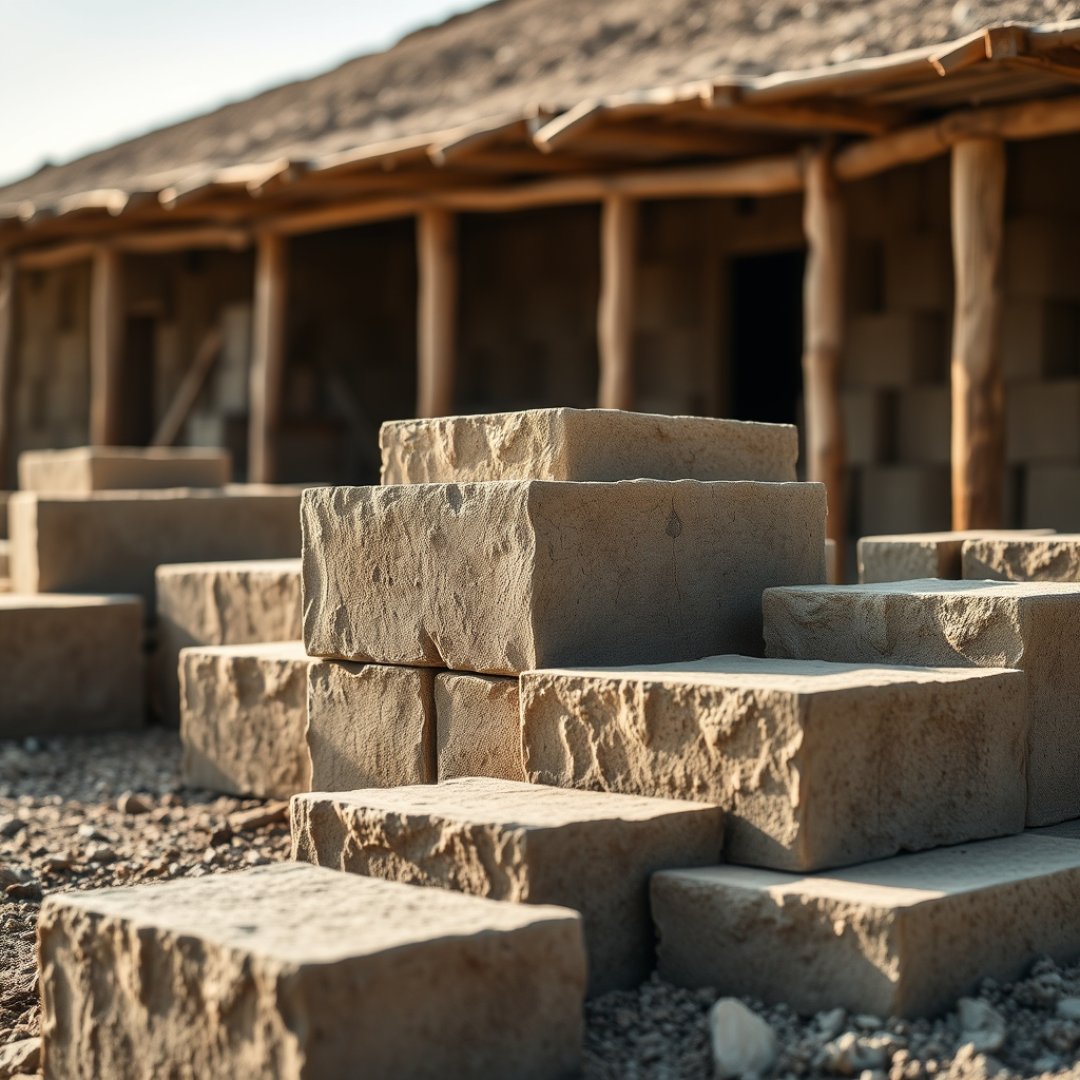
As the construction industry pivots toward carbon-neutral mandates, Compressed Earth Blocks have emerged as a premier material for enhancing thermal mass and structural sustainability in high-performance building envelopes. By utilizing stabilized local subsoil combined with mechanical compaction, these units achieve compressive strengths exceeding 15 MPa while providing excellent hygrothermal buffering capabilities. In 2026, the adoption of advanced hydraulic pressing technology allows for modular precision, enabling architects to design buildings that naturally regulate interior humidity and temperature without reliance on energy-intensive mechanical cooling systems. This article examines the technical performance metrics, material stabilization techniques, and the lifecycle assessment benefits of integrating these earth-based units into modern commercial and residential infrastructure.
Material Science and Compression Mechanics
Stabilization Strategies
The engineering integrity of Compressed Earth Blocks relies on the precise balance of clay, sand, and stabilizing agents such as Portland cement or lime. Modern hydraulic presses exert pressures up to 10 MPa, minimizing void ratios and maximizing density to achieve structural requirements.
Hygrothermal Performance
Unlike conventional concrete, earth blocks exhibit exceptional moisture vapor permeability. This allows the building envelope to absorb and release humidity, maintaining an internal relative humidity of 40-60% naturally, which significantly reduces the load on HVAC dehumidification cycles.
Thermal Mass and Energy Efficiency Metrics
Thermal Conductivity and Lag
The high thermal capacity of these blocks provides a significant time-lag in heat transfer, shifting peak heating and cooling loads away from peak grid demand times. The volumetric heat capacity of a well-compacted earth block is approximately 1.5 to 2.0 MJ/m3K.
Efficiency Gains
- Reduction in peak cooling demand by up to 25% in temperate climates.
- Superior acoustic attenuation due to mass density.
- Compatibility with radiant floor heating systems for optimized thermal distribution.
Regulatory Compliance and Structural Standards
Compliance Frameworks
Adherence to international standards, such as the RILEM guidelines and localized seismic codes, is essential for structural certification. In 2026, engineers prioritize shear reinforcement integration within the block voids to ensure compliance with modern structural safety regulations in seismic zones.
Lifecycle Carbon Sequestration
The embodied energy of these blocks is approximately 10-15% of that of conventional autoclaved aerated concrete (AAC), making them a pivotal material for meeting EU RED III and equivalent global decarbonization building standards.
Frequently Asked Questions
What is the compressive strength of modern Compressed Earth Blocks?
When stabilized with 5-8% cement, these blocks typically reach compressive strengths between 10 MPa and 20 MPa, suitable for load-bearing structures up to two stories.
How do these blocks compare to traditional concrete regarding carbon emissions?
They significantly lower the carbon footprint by utilizing local materials, reducing transportation emissions, and eliminating the energy-intensive firing process required for traditional brick manufacturing.
Can Compressed Earth Blocks be used in high-humidity climates?
Yes, but they require proper exterior protective design, such as extended roof overhangs and water-repellent surface treatments, to maintain long-term structural integrity against moisture ingress.