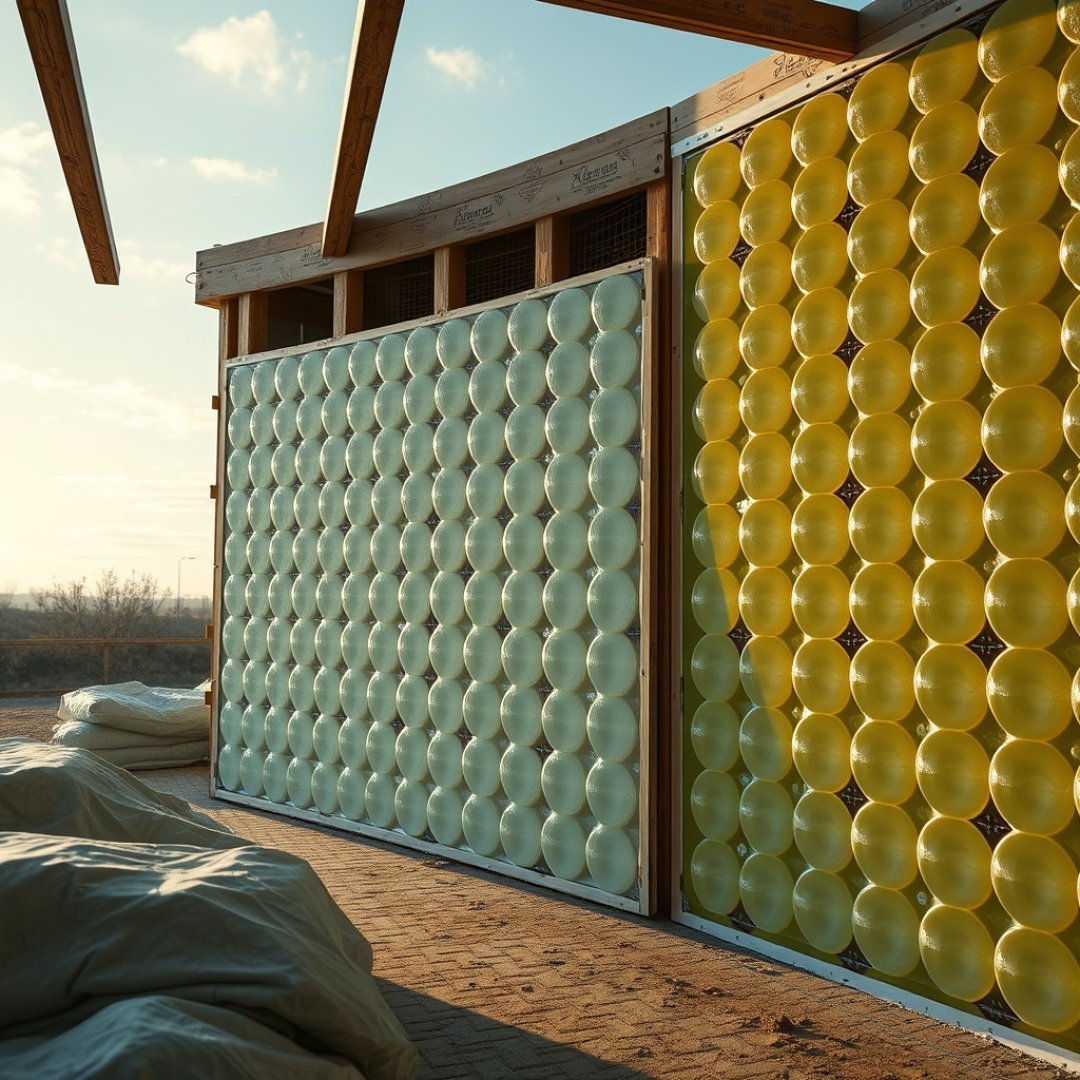
In the pursuit of net-zero building envelopes by 2026, Aero-Gel Insulation Panels have emerged as the gold standard for high-performance thermal resistance. These nanostructured materials offer unprecedented R-values per millimeter, effectively addressing the spatial constraints that have historically limited deep-energy retrofits in urban environments. As building codes tighten under EU and North American mandates, the integration of silica-based aerogels into standardized construction workflows is significantly lowering operational energy consumption and mitigating structural carbon footprints. By bridging the gap between extreme thermal efficiency and ease of assembly, these panels allow architects to achieve passive house certifications while maintaining sleek, contemporary structural aesthetics that traditional fiberglass or mineral wool materials simply cannot match in space-constrained urban applications.
Technical Mechanisms of Thermal Resistance
Nanoporous Structure and Knudsen Effect
The primary advantage of Aero-Gel Insulation Panels lies in their nanoporous architecture. With pore diameters smaller than the mean free path of air molecules—typically below 50 nanometers—the material effectively suppresses gas-phase heat conduction through the Knudsen effect. This allows the panels to achieve thermal conductivity values as low as 0.012 W/mK.
- Solid conductivity is minimized through the highly branched, skeletal silica structure.
- Gas-phase conductivity is curtailed by restricting molecular movement within the nanopores.
- Radiative heat transfer is mitigated by the addition of opacifiers like carbon black or titanium dioxide.
Commercial Applications and Economic ROI
Overcoming CAPEX Barriers
While historically hampered by high production costs, 2026 manufacturing advancements have optimized supercritical drying processes, making Aero-Gel Insulation Panels economically viable for premium commercial sectors. The return on investment is primarily realized through long-term energy savings and the reclamation of floor space.
- Space Efficiency: Enables thinner wall assemblies, increasing leasable square footage in dense urban commercial zones.
- Energy Performance: Reduces HVAC load, contributing to a lower energy performance certificate (EPC) rating.
- Lifecycle Value: Durable, non-combustible properties reduce fire suppression infrastructure needs and insurance premiums.
Standards and Environmental Compliance
Alignment with Green Building Protocols
Regulatory compliance is a critical factor for the adoption of high-tech insulation in 2026. Aero-Gel systems are now rigorously tested against international standards including ISO 8301 and ASTM C518. These materials are instrumental in meeting the rigorous GreenTech Architecture requirements set forth by evolving building energy codes.
By utilizing low-VOC binders and sustainable silica precursors, manufacturers are ensuring that these insulation panels align with LEED v5 and BREEAM certification standards. The focus is shifting toward an integrated building energy management systems approach, where high-R thermal barriers act as the foundation for smart grid-interactive building performance.
Frequently Asked Questions
What is the primary benefit of Aero-Gel Insulation Panels over traditional foam?
Aero-Gel panels provide significantly higher thermal resistance per unit of thickness, allowing for ultra-thin wall assemblies that do not sacrifice structural efficiency or indoor space.
Are these insulation panels fire resistant?
Yes, silica-based aerogels are inherently non-combustible and are often used as fire-retardant barriers in high-performance building assemblies.
How do these panels contribute to carbon footprint reduction?
They drastically reduce the operational energy required for heating and cooling, which represents the largest segment of a building’s carbon footprint over its entire lifecycle.