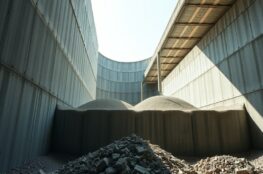
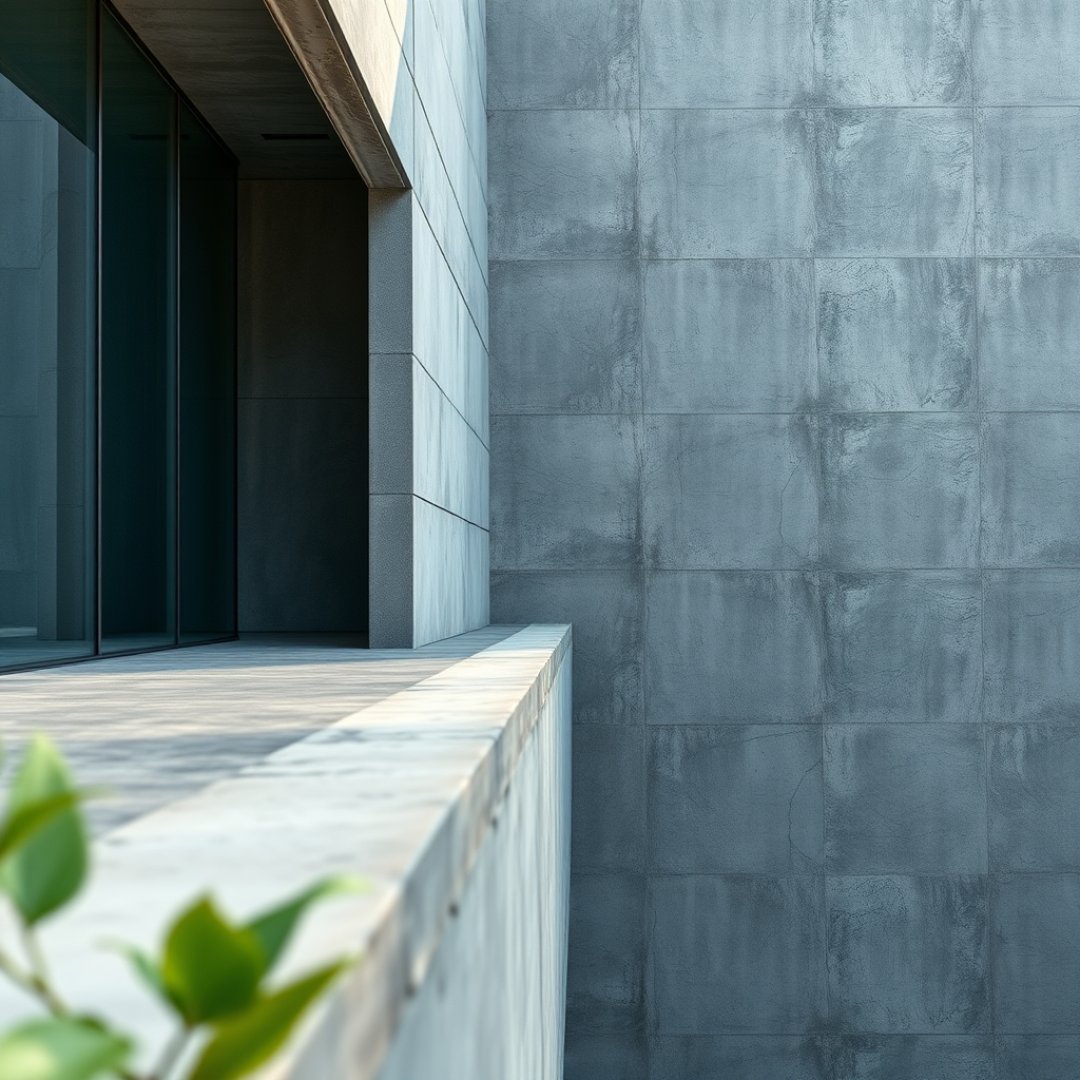
The integration of nanotechnology into building materials represents a pivotal shift in sustainable construction practices. Graphene-Enhanced Concrete has emerged as the leading solution for modern GreenTech Architecture, offering a multifunctional approach to structural longevity and energy performance. By incorporating atomically thin layers of carbon into cementitious matrices, engineers are achieving significant improvements in mechanical strength, which allows for a reduction in total material volume and embodied carbon. This innovation is not merely about physical durability; it fundamentally alters the thermal properties of structures, increasing their latent thermal mass. As we approach the latter half of 2026, the adoption of this technology is being accelerated by stringent environmental mandates like the EU Building Performance Directive, which demands higher energy efficiency in the built environment. This article examines the mechanical benefits, the role in thermal regulation, and the long-term impact on lifecycle carbon accounting for commercial infrastructure.
Mechanical Properties and Material Reduction
Enhancing Structural Performance
The addition of graphene nanoplatelets to concrete mixtures creates a reinforced lattice at the molecular level, significantly increasing tensile and compressive strength. Typical dosage rates of 0.05% by weight can yield up to a 30% increase in flexural strength.
- Crack Propagation Resistance: The bridging effect of graphene layers inhibits micro-crack development.
- Reduced Material Usage: Higher strength-to-weight ratios enable thinner slabs and beams, reducing total cement volume by up to 20%.
By reducing the clinker content, projects can effectively lower their total embodied energy footprint, directly influencing the BREEAM and LEED certification metrics of 2026.
Thermal Mass and Energy Efficiency Gains
Optimizing Building Thermodynamics
Graphene-Enhanced Concrete significantly increases the thermal conductivity and volumetric heat capacity of structural elements. This improvement allows for better passive heat management within the building envelope.
Energy Efficiency Metrics
Thermal Lag: By improving the thermal mass of walls and floors, Graphene-Enhanced Concrete stabilizes indoor temperatures, reducing the reliance on active HVAC systems during peak load hours.
- Heat Transfer Coefficient (U-value): Refined control over material porosity leads to superior insulating characteristics.
- HVAC Integration: The increased conductivity facilitates more efficient radiant heating and cooling loops embedded directly within the concrete slabs.
Carbon Sequestration and Lifecycle Assessment
Advancing Circular Economy Goals
Beyond its structural utility, the material innovation supports active carbon sequestration. Recent developments in 2026 allow for the integration of carbon-capture minerals within the concrete mix, which react with graphene to stabilize stored CO2 permanently.
Industry Standards
Compliance with ISO 14067 for carbon footprinting is simplified through the use of high-performance Graphene-Enhanced Concrete, as it allows developers to claim significant offsets for the service life of the building. By lowering the cement-to-aggregate ratio while increasing structural performance, developers mitigate the impact of traditional high-emission construction materials.
Frequently Asked Questions
How does graphene improve the durability of concrete?
Graphene nanoplatelets provide a physical barrier that prevents the infiltration of water and chloride ions, which are the primary causes of rebar corrosion and spalling in conventional concrete structures.
Does Graphene-Enhanced Concrete increase construction costs?
While the raw material cost is higher than standard Portland cement, the total project ROI is often favorable due to reduced material volume requirements, faster curing times, and lower lifetime maintenance costs.
Is Graphene-Enhanced Concrete ready for large-scale commercial use in 2026?
Yes, standardizations for concrete additives have reached maturity, allowing major suppliers to offer consistent, batch-certified graphene-doped mixtures for high-rise and infrastructure projects.