As we navigate the industrial requirements of 2026, Solid-State Carbon Capture has emerged as a cornerstone technology for achieving net-zero targets through high-efficiency direct air capture (DAC) modules. Unlike traditional liquid amine-based absorption processes that suffer from high parasitic energy loads due to solvent regeneration, solid-state systems leverage advanced metal-organic frameworks (MOFs) and porous amine-functionalized silicas. This shift toward solid sorbents minimizes the thermal degradation associated with aqueous systems and drastically lowers the CAPEX for large-scale deployment. By optimizing the surface area-to-volume ratio in modular collector designs, engineers are achieving significant breakthroughs in carbon sequestration rates while maintaining a smaller physical footprint. This article analyzes the current state of solid-state adsorbent kinetics and the critical role of vacuum-temperature swing adsorption (VTSA) cycles in commercializing scalable, low-energy DAC hardware for global decarbonization efforts.
Advanced Adsorbent Kinetics and Design
Engineering High-Capacity Sorbents
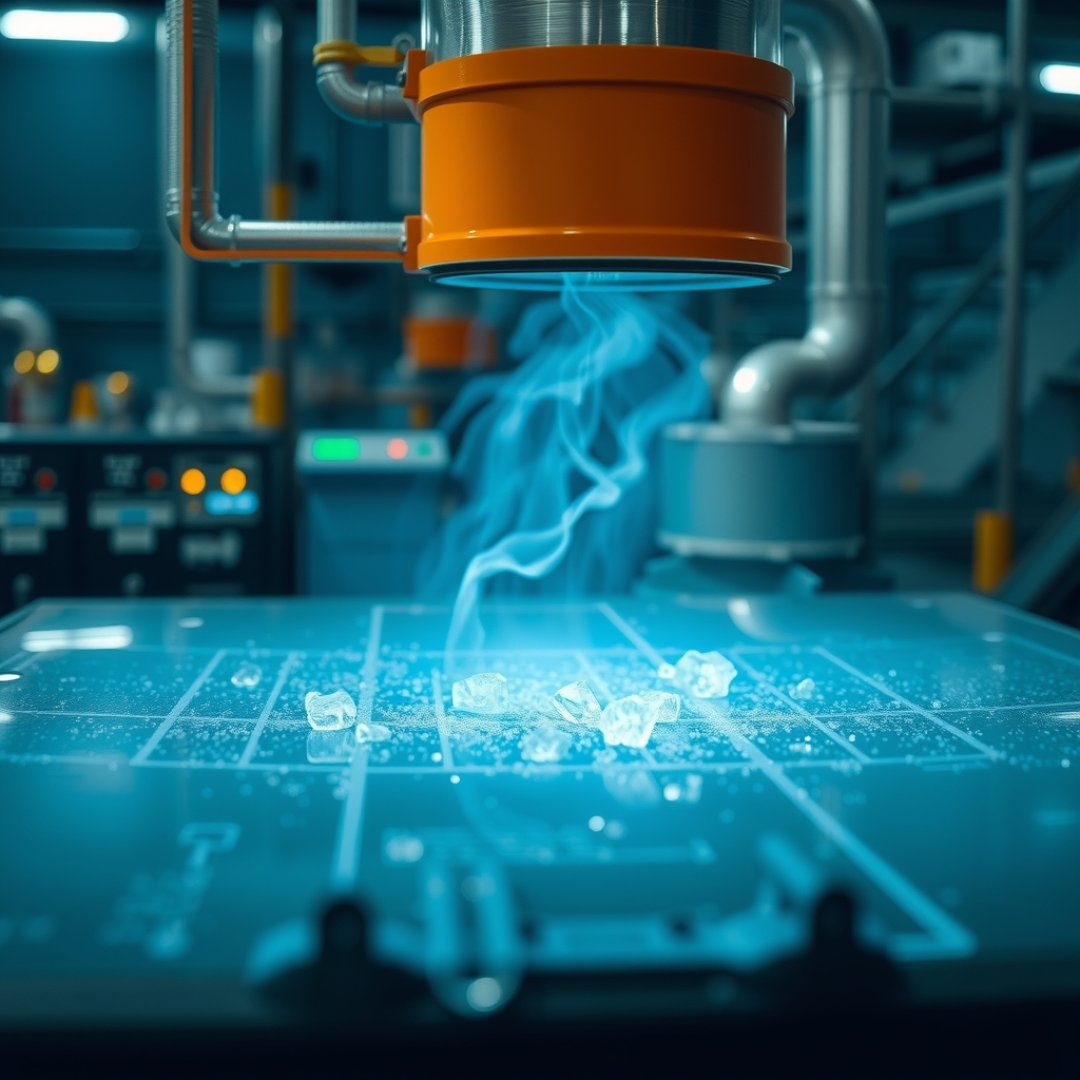
The efficiency of Solid-State Carbon Capture units relies heavily on the kinetics of the binding material. Modern MOFs designed in 2026 offer tunable pore structures that maximize CO2 selectivity even in humid environments. Unlike earlier iterations that were prone to water competition, these new crystalline materials demonstrate enhanced durability across thousands of adsorption-desorption cycles.
- Surface Area Density: Achieving upwards of 3,500 m2/g for optimized capture performance.
- Kinetics: Reduced cycle times through mesoporous pathways that facilitate rapid gas diffusion.
- Durability: Mitigation of pore collapse through mechanical reinforcement and moisture-stable ligands.
VTSA Cycle Optimization
Energy-Efficient Regeneration Metrics
To remain competitive, DAC systems must minimize the energy intensity of the regeneration phase. By implementing Vacuum-Temperature Swing Adsorption (VTSA), engineers have successfully lowered the parasitic heat requirement below 1.5 GJ per tonne of CO2 captured. This thermal efficiency is achieved by utilizing waste heat from industrial processes, effectively lowering the operational expenditure (OPEX) of the hardware.
Key Performance Indicators (KPIs) for 2026:
- Regeneration Temperature: Targeted reduction to 80°C – 100°C for compatibility with low-grade waste heat.
- Energy Efficiency: Real-world electrical consumption below 300 kWh/tonne under optimal ambient conditions.
- Throughput: High-velocity airflow configurations that maintain structural integrity without excessive pressure drops.
Integration and Infrastructure Standards
Scaling for Grid-Connected Deployment
Integrating solid-state capture modules into existing infrastructure requires adherence to rigorous environmental and safety protocols. As of September 2026, manufacturers are increasingly aligning with ISO 14064 standards to ensure verifiable carbon credits. Hardware modularity allows for the clustering of units into virtual carbon farms, which can be dynamically managed through a Smart Energy Grid interface to utilize off-peak electricity prices for energy-intensive vacuum pumps.
Deployment Considerations:
- Grid Interoperability: Load-following capabilities that allow units to ramp down during peak grid stress.
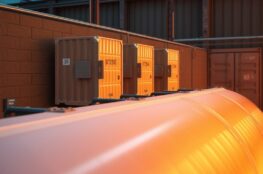
- Modular Scaling: Standardized 20-foot container form factors for rapid global deployment.
- Regulatory Compliance: Strict adherence to local industrial emissions frameworks and safety containment mandates.
Frequently Asked Questions
What is the primary advantage of Solid-State Carbon Capture over liquid solvents?
Solid-state systems avoid the evaporation losses, corrosion issues, and high energy costs associated with heating large volumes of water-based solvents during the regeneration cycle.
How does VTSA improve capture efficiency?
Vacuum-Temperature Swing Adsorption uses a combination of reduced pressure and mild heating to release the captured CO2, significantly lowering the total energy requirement per ton of gas processed.
Are these carbon capture systems compatible with existing renewable energy grids?
Yes, current modular DAC hardware is designed with power management protocols that allow for dynamic load adjustment, enabling them to operate primarily on surplus renewable energy.