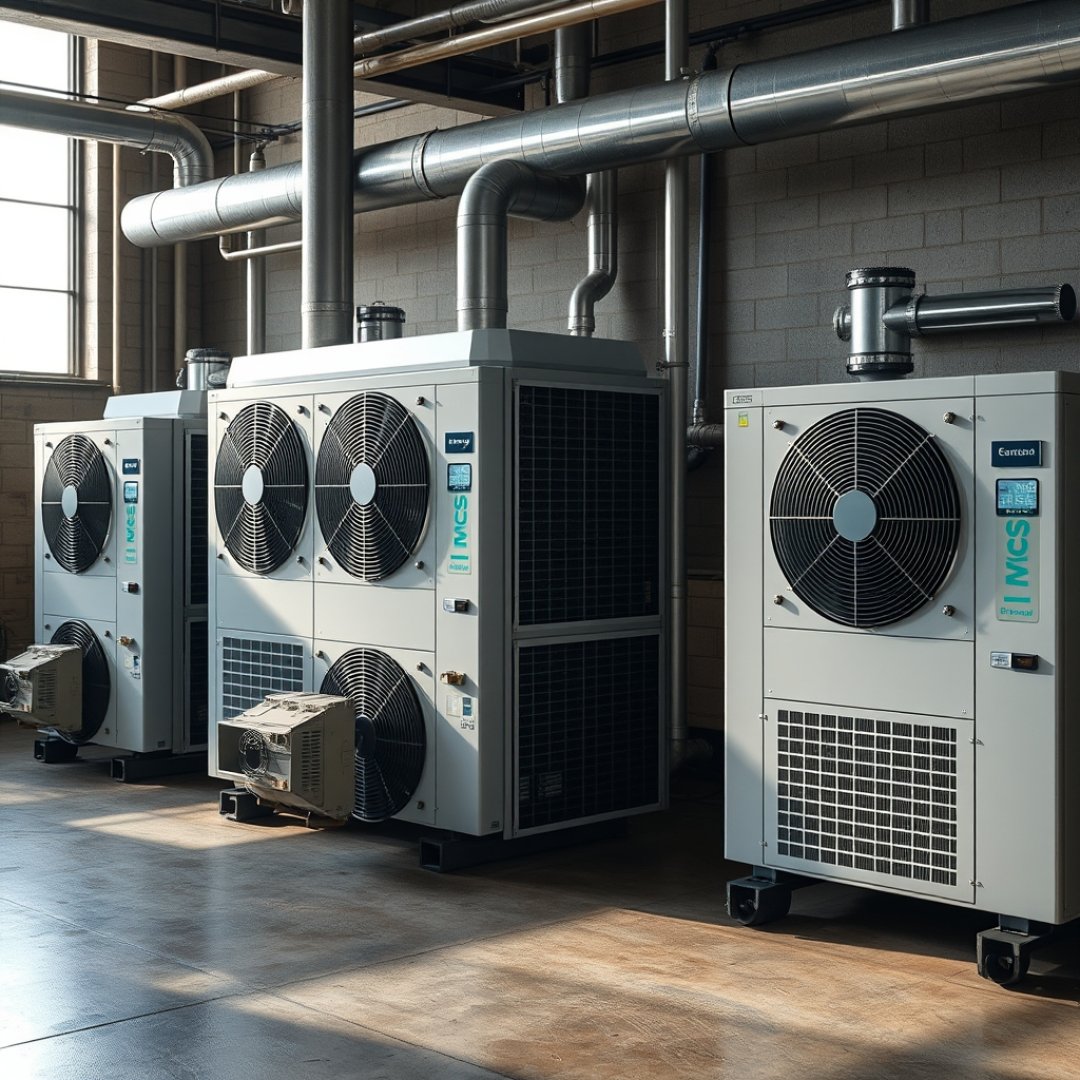
The integration of Supercritical CO2 Heat Pumps represents a transformative shift in industrial thermal management as we navigate the energy landscape of 2026. By utilizing R744 as a natural, low-GWP refrigerant, these systems achieve remarkable operational efficiency even in high-temperature applications that were traditionally reserved for fossil-fuel combustion. As industries prioritize electrification and decarbonization, the thermodynamic properties of CO2 in its supercritical state allow for significant temperature glides, optimizing heat transfer processes during domestic hot water production or district heating. This evolution in cleantech hardware is not merely theoretical; it addresses the urgent need for high-performance, sustainable alternatives that align with stringent EU RED III environmental directives while lowering long-term CAPEX through modular, scalable engineering designs.
Thermodynamic Principles and Operational Efficiency
Transcending Conventional Vapor Compression
At the core of Supercritical CO2 Heat Pumps lies the transcritical cycle, where the fluid does not condense in the conventional sense but undergoes a continuous pressure-temperature glide. This characteristic is particularly advantageous for heating water from low intake temperatures, as it allows for a highly effective heat transfer process that minimizes exergy destruction. Engineers are seeing COPs (Coefficient of Performance) consistently exceeding 3.5 in industrial configurations, provided that the return temperatures are sufficiently low to leverage the large temperature glide inherent in R744 systems.
Advanced Compressor Modulation
Modern systems utilize multi-stage compression and gas cooler configurations to maintain stability. By integrating high-pressure-side expansion valves with sophisticated control logic, hardware manufacturers have successfully mitigated the efficiency losses previously associated with high-pressure operation, making these pumps highly competitive against traditional propane-based systems in specific high-lift scenarios.
Industrial Integration and Grid Compatibility
Synchronizing with Smart Energy Grids
The deployment of these heat pumps is increasingly tied to IEEE 1547 standards for grid interconnection. When implemented within a microgrid, Supercritical CO2 units act as flexible load assets. By utilizing thermal storage buffers, facilities can shift electricity consumption to off-peak hours without compromising the thermal stability of the building or the process.
- Thermal Buffering: Utilization of stratified storage tanks to decouple production from demand.
- Load Shedding: Programmable setpoints that respond to real-time grid frequency signals.
- Demand Response: Alignment with local utility signals to support smart energy grid stability.
Economic Viability and Regulatory Compliance
ROI and Lifecycle Analysis
While the initial CAPEX for Supercritical CO2 Heat Pumps remains higher than traditional HFC-based units due to the requirement for high-pressure piping and specialized titanium or high-grade stainless steel heat exchangers, the long-term ROI is compelling. Lower maintenance cycles, the avoidance of future refrigerant phase-out taxes, and the ability to reclaim waste heat significantly shorten the payback period.
Navigating Global Standards
Compliance with F-Gas regulations and evolving safety standards for high-pressure systems is paramount. Installations in 2026 are required to follow rigorous pressure vessel testing and safety protocols, ensuring that the inherent risks of high-pressure transcritical operation are managed via automated pressure relief valves and remote telemetric monitoring systems.
Frequently Asked Questions
What is the primary advantage of R744 over synthetic refrigerants?
R744, or CO2, has a Global Warming Potential (GWP) of 1, making it an environmentally future-proof choice that complies with the most stringent global phase-down regulations for synthetic HFCs.
How do Supercritical CO2 Heat Pumps handle high temperature requirements?
Because CO2 undergoes a transcritical cycle, it can provide high-temperature hot water with higher exergy efficiency than subcritical cycles, making it ideal for industrial processes and large-scale district heating.
Are there specific maintenance challenges for these systems?
Yes, due to the high operating pressures, maintenance requires specialized training and equipment to handle the high-pressure side of the cycle, as well as strict adherence to pressure vessel integrity standards.