
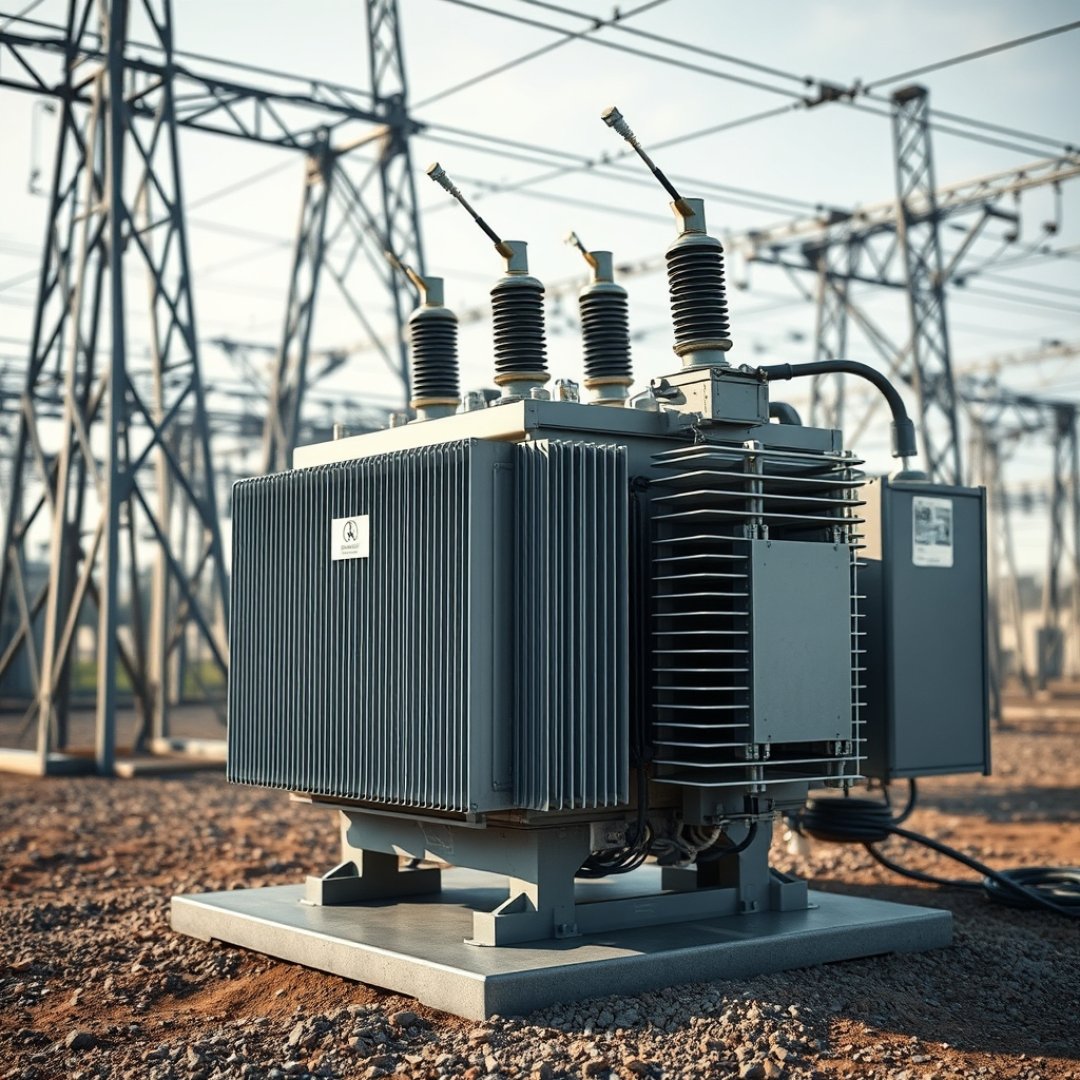
The integration of the Solid-State Transformer into modern electrical distribution networks marks a pivotal shift for utilities navigating the complexities of 2026 energy demands. Unlike traditional electromagnetic transformers that rely on passive core designs, these power electronic-based systems provide high-frequency isolation and superior voltage regulation through advanced semiconductor switching. As bidirectional power flow becomes the standard for distributed energy resource adoption, the ability of a Solid-State Transformer to maintain harmonic stability while interfacing seamlessly with DC microgrids offers a transformative advantage for operators managing volatile load profiles. By replacing heavy copper and iron with sophisticated wide-bandgap hardware, these units achieve higher power density and precise active management of reactive power, proving essential for grid resilience in an era of decentralized generation and intermittent renewable output.
Operational Mechanics and Semiconductor Topology
High-Frequency Switching Advantages
At the core of the Solid-State Transformer is a multi-stage power conversion process that utilizes high-frequency isolation to replace the low-frequency bulk of conventional units. By operating at frequencies ranging from 10 kHz to 50 kHz, these devices enable a drastic reduction in passive component size.
Wide-Bandgap Integration
The transition toward Silicon Carbide (SiC) and Gallium Nitride (GaN) MOSFETs has significantly reduced switching losses. These semiconductors allow for:
- Enhanced thermal performance under full load.
- Improved transient response times during fault conditions.
- Seamless integration of energy storage systems directly to the internal DC link.
Grid Ancillary Services and Bidirectional Flow
Active Voltage Regulation
Unlike fixed-tap electromagnetic transformers, the electronic interface allows for near-instantaneous voltage regulation. This is critical for maintaining steady supply levels in distribution feeders experiencing high penetration of residential solar photovoltaics.
Ancillary Market Participation
The ability to control reactive power (VAR) independently of active power allows operators to participate in grid ancillary service markets. This capability enhances local grid stability, as the hardware acts as an active compensator rather than a passive obstacle to power quality.
Economic Implications and CAPEX Analysis
Lifecycle Cost Evaluation
While the initial CAPEX for a Solid-State Transformer exceeds that of a standard distribution transformer, the long-term ROI is bolstered by reduced maintenance cycles and the elimination of auxiliary voltage support equipment such as capacitor banks or static VAR compensators.
Efficiency Metrics
System designers must account for efficiency trade-offs across the conversion stages. Modern designs are reaching 98% efficiency by employing soft-switching techniques that minimize conduction losses, ensuring that the operational cost benefits materialize within a standard 10-year investment horizon for smart utility projects.
Frequently Asked Questions
What is the primary advantage of a Solid-State Transformer over a conventional transformer?
The primary advantage is the ability to provide active voltage regulation, fault current limiting, and bidirectional power flow through power electronic conversion, rather than relying on passive inductive components.
Does the Solid-State Transformer use Silicon Carbide technology?
Yes, modern high-efficiency units typically utilize SiC (Silicon Carbide) power modules due to their superior thermal conductivity and ability to operate at higher switching frequencies compared to traditional silicon-based IGBTs.
How do these devices support DC-based microgrids?
They feature an internal DC link that allows for the direct integration of batteries or solar arrays without requiring additional AC/DC conversion stages, which significantly reduces conversion losses.