
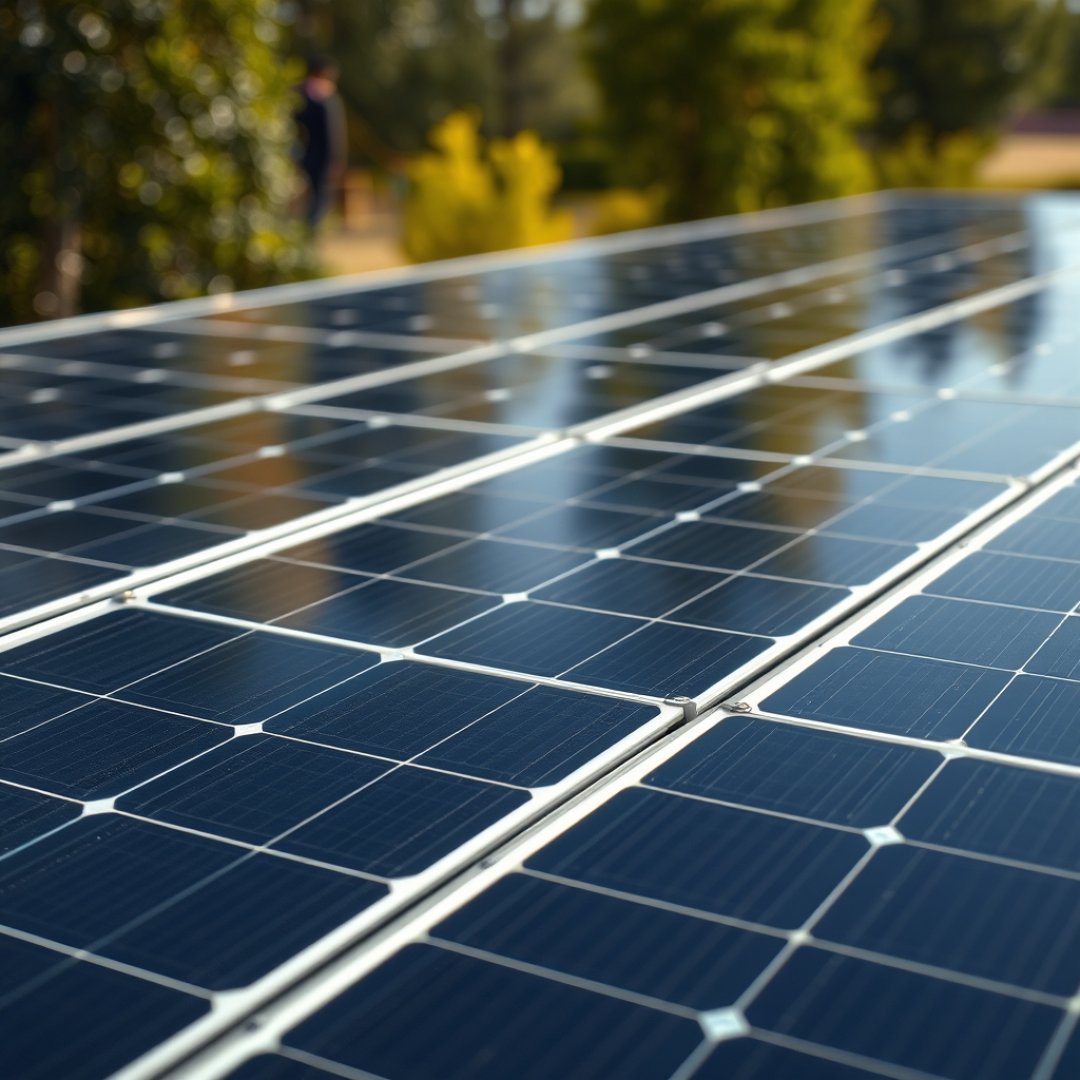
In the landscape of modern renewable energy, the performance of a Bifacial Solar Module has become a critical benchmark for project developers and utility-scale engineers. As of August 2026, the focus has shifted from simple panel efficiency to the sophisticated management of ground-reflected radiation, known as albedo. By strategically selecting high-albedo surfaces and optimizing the geometric mounting parameters of bifacial arrays, engineers are achieving significant gains in specific energy yield (kWh/kWp) without the need for increased land acquisition. This article examines the technical requirements and empirical performance metrics that govern the integration of bifacial technology, ensuring that high-performance hardware delivers on its promise of reduced levelized cost of energy in increasingly competitive global solar markets.
Albedo Physics and Energy Yield Modeling
Defining the Bifacial Gain
The energy production of a Bifacial Solar Module is inherently linked to the albedo coefficient, which represents the ratio of reflected irradiance to incident sunlight on the ground surface. While a standard surface like asphalt might offer an albedo of 0.10, white gravel or specialized TPO roofing membranes can reach 0.60 or higher.
- Irradiance Distribution: Non-uniformity of ground reflection leads to potential electrical mismatch at the module level.
- Bifaciality Factor: Current premium modules now consistently exceed a 85% bifaciality factor, necessitating higher quality back-sheet glass-glass encapsulation.
System Design and Mounting Geometry
Optimizing Row Spacing and Height
Engineers must balance the height of the mounting structure against the wind-load constraints and structural CAPEX. To maximize the rear-side gain, arrays are typically elevated to a height of at least 1.0 to 1.5 meters from the ground plane.
Row-to-Row Shading
Increasing row spacing is vital in bifacial configurations to prevent self-shading of the rear side. System integrators are currently utilizing advanced ray-tracing simulations to determine the optimal Ground Coverage Ratio (GCR) that minimizes the trade-off between land use efficiency and rear-side light capture.
Economic Implications and BOS Costs
Reducing Levelized Cost of Energy
The transition to bifacial hardware introduces specific Balance of System (BOS) considerations. While the per-watt cost of bifacial glass-glass modules has reached parity with monofacial variants, the structural requirements for bifacial arrays—such as torque tube placement and clamp positioning—require precise engineering to avoid shading the rear active cells.
- CAPEX Adjustments: Higher structural robustness is required for elevated mountings to manage wind-load harmonics.
- Energy ROI: Increased yields of 8-15% are common in optimized high-albedo environments, significantly improving the internal rate of return for 20-year utility-scale projects.
Frequently Asked Questions
What is the typical bifaciality factor of modern modules in 2026?
Current high-performance bifacial solar modules typically feature a bifaciality factor ranging from 80% to 90%, reflecting the ratio of rear-to-front peak power output.
Does soil accumulation on the ground affect bifacial yield?
Yes, ground-level dust or vegetation growth reduces the albedo coefficient over time, which can lead to a gradual decline in rear-side energy contribution, emphasizing the need for regular site maintenance.
Are bifacial modules more expensive to install?
While the module cost is now competitive, the BOS costs are slightly higher due to the need for specific mounting geometries that maximize rear-side light exposure while maintaining structural integrity against wind loads.