As high-performance building standards evolve, the thermal management of commercial infrastructure increasingly relies on advanced HVAC configurations that surpass traditional vapor-compression cycles. Modular Liquid Desiccant Systems have emerged as a pivotal technology for managing latent heat loads with unprecedented precision. By decoupling moisture removal from sensible cooling, these systems significantly reduce the electrical burden on grid-tied HVAC units, facilitating a drastic improvement in the overall Coefficient of Performance (COP) within institutional buildings. In 2026, the industry is witnessing a shift toward integrated, pre-fabricated desiccant units that allow architects and facility managers to meet stringent humidity setpoints while minimizing the energy intensity traditionally associated with desiccant regeneration processes in high-occupancy structures.
Operational Mechanisms and Latent Load Decoupling
The Chemistry of Dehumidification
At the core of these systems is the use of high-affinity salt solutions, typically lithium chloride or calcium chloride, to chemically absorb moisture from the process air stream. Unlike cooling-based dehumidification, which requires chilling air below its dew point, Liquid Desiccant Systems operate by vapor pressure differential.
Separation of Thermal Processes
- Absorber Module: Directs concentrated desiccant solution across a contact surface to extract moisture.
- Regenerator Module: Utilizes low-grade thermal energy—often sourced from waste heat or solar thermal arrays—to drive moisture out of the diluted solution.
- Energy Decoupling: By isolating the latent load, sensible cooling hardware can run at higher, more efficient temperatures, drastically reducing peak demand on smart energy grids.
Efficiency Metrics and Regulatory Compliance
Benchmarking Performance
The efficiency of these systems is frequently measured against the standard AHRI 920 protocols for commercial building energy performance. In 2026, deployments are targeting a 30% reduction in source energy consumption compared to conventional chilled-water systems.
Regulatory Alignment
Compliance with EU RED III and various local ASHRAE standards requires rigorous monitoring of energy input vs. moisture removal rates (kg/h). Modern modular units feature integrated sensors that communicate via BACnet or Modbus, allowing for real-time adjustments based on external ambient humidity fluctuations, thereby ensuring that total building energy intensity remains within the limits set by municipal decarbonization mandates.
Economic ROI and Architectural Integration
CAPEX and Lifecycle Analysis
While the initial capital expenditure for liquid desiccant infrastructure exceeds standard HVAC, the lifecycle ROI is bolstered by reduced maintenance on standard heat exchangers and extended equipment lifespan. By preventing condensation buildup on cooling coils, these systems eliminate the common issue of microbial growth and subsequent air quality degradation.
Architectural Flexibility
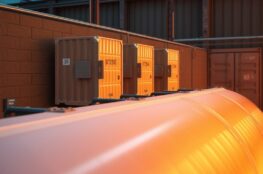
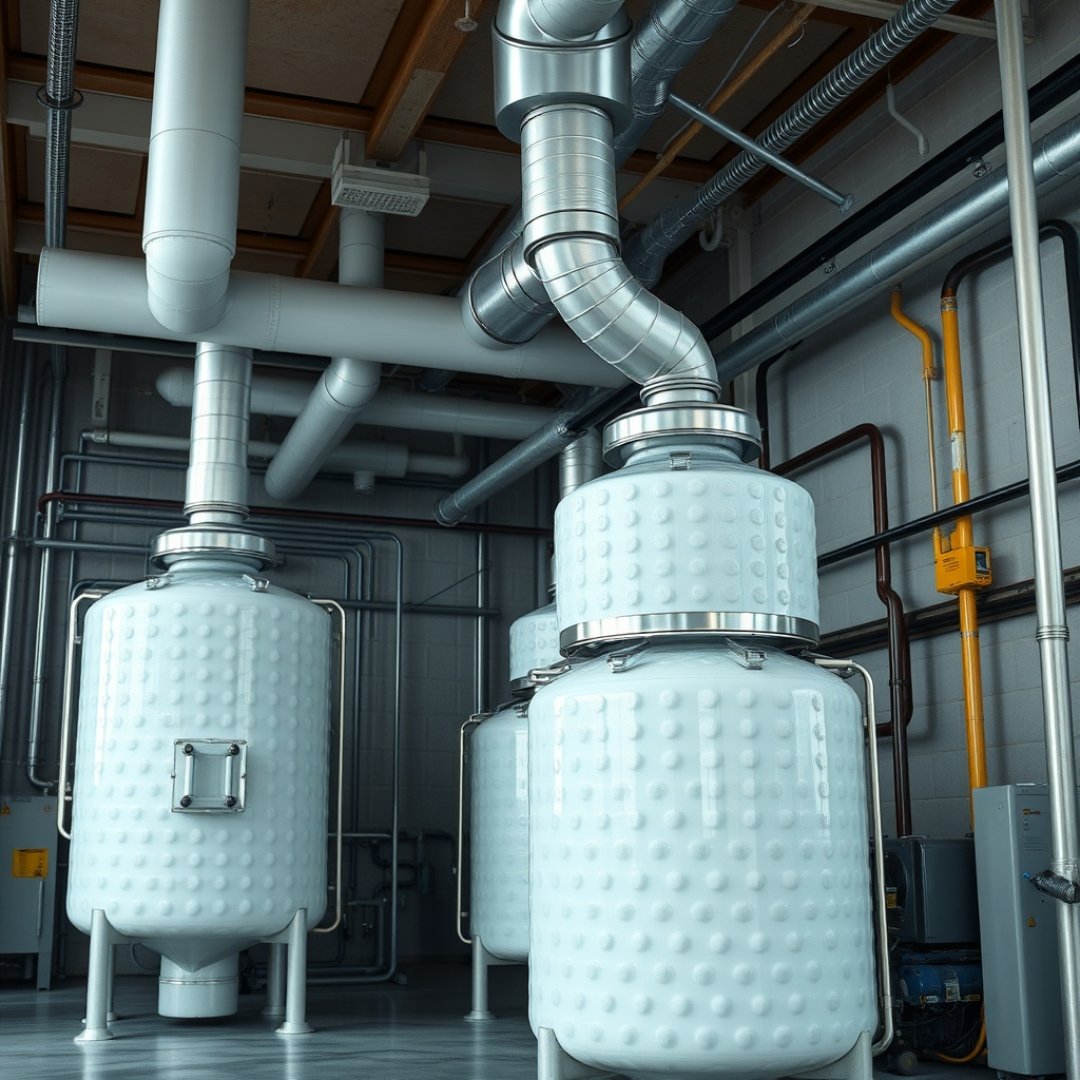
The modular nature of 2026 designs allows for vertical integration in high-rise buildings, fitting into mechanical rooms or roof-top service zones where traditional space-intensive systems fail. Their ability to interface directly with existing heat recovery ventilation (HRV) systems makes them an ideal retrofit candidate for legacy commercial buildings aiming to hit net-zero operational milestones.
Frequently Asked Questions
How do Liquid Desiccant Systems differ from traditional AC?
Traditional AC removes moisture by cooling air below the dew point, which is energy-intensive. Liquid desiccant systems use chemical absorption to remove moisture independently of temperature, allowing the cooling system to run at higher, more efficient temperatures.
What heat sources can be used for regeneration?
Regeneration typically requires low-grade heat, making it an excellent application for waste heat recovery from server rooms, solar thermal panels, or excess geothermal energy.
Are these systems suitable for residential use?
Currently, they are primarily optimized for large-scale commercial, laboratory, and hospital applications where latent load requirements are high and continuous, though residential modular units are in development.