
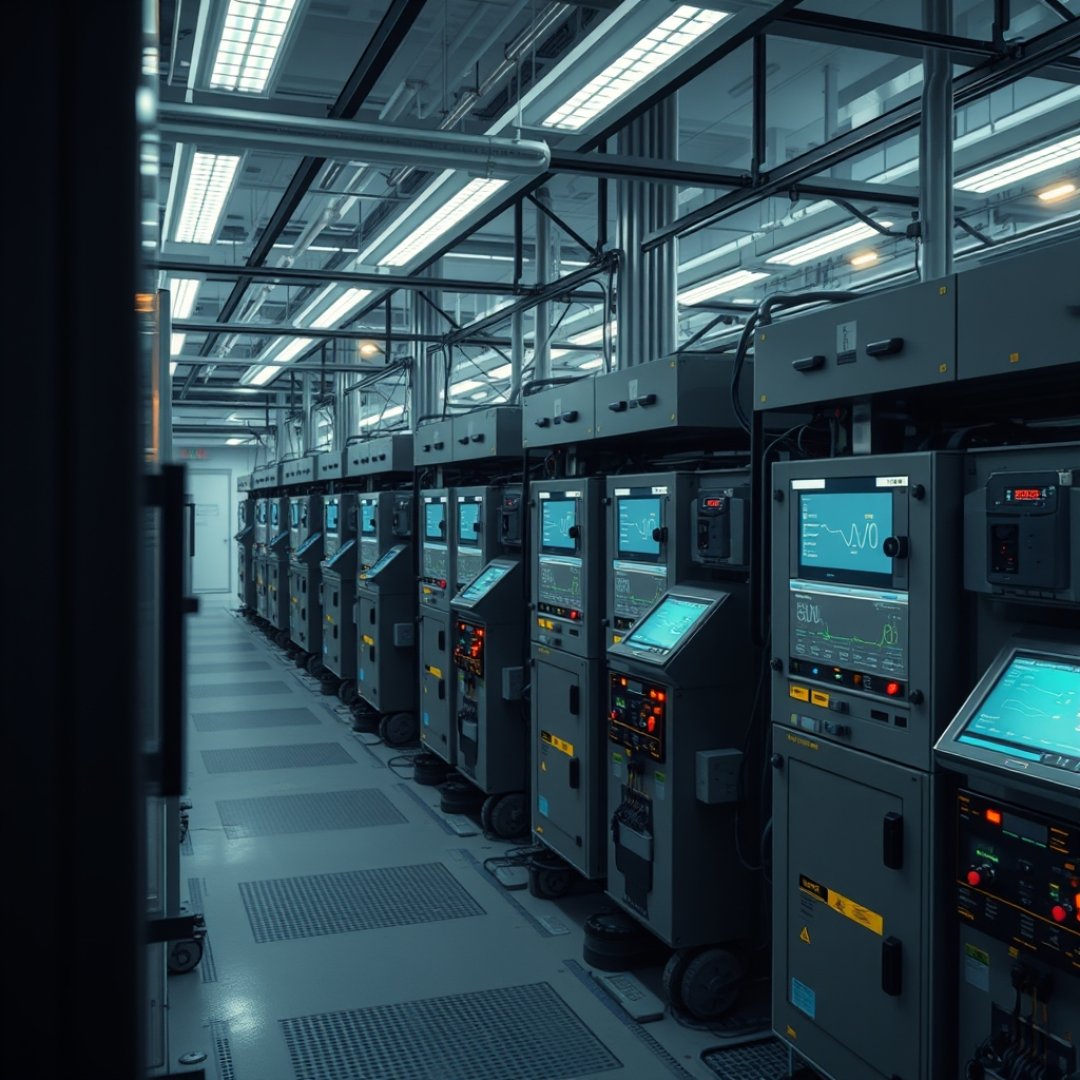
As distributed energy resources proliferate across urban and industrial landscapes, the deployment of advanced AI-driven Microgrid Energy Management Systems has become essential for maintaining operational equilibrium. In 2026, these intelligent platforms utilize predictive analytics and machine learning to orchestrate complex interactions between localized photovoltaic generation, battery energy storage assets, and fluctuating consumer load demands. By leveraging real-time data ingestion and high-fidelity forecasting models, these systems ensure that microgrids operate with unprecedented levels of autonomy, effectively mitigating the intermittent nature of renewable energy while adhering to stringent IEEE 1547 interconnection standards for grid-tied stability and reliability.
Architectural Mechanisms of AI-Driven Management
Predictive Load Forecasting
Modern Microgrid Energy Management Systems integrate deep learning neural networks to analyze historical consumption patterns and real-time sensor inputs. This allows for sub-second adjustments to load shedding or demand response commands, preventing local voltage sag or frequency excursions.
Edge Computing Integration
By moving computational logic to the edge, these systems minimize latency in decision-making. Distributed controllers can isolate the microgrid during upstream disturbances without relying on centralized cloud infrastructure, thus enhancing resilience against cyber-physical threats.
Efficiency Metrics and Operational ROI
Optimizing Depth of Discharge
Effective management systems maximize the longevity of BESS assets by optimizing charge-discharge cycles. By maintaining optimal state-of-charge windows, systems reduce thermal degradation and extend battery lifecycle by an estimated 15-20% annually.
Economic Performance
Financial feasibility is driven by peak shaving and arbitrage capabilities. Utilizing automated market participation, these systems reduce CAPEX recovery periods by capitalizing on time-of-use pricing and frequency regulation markets, often delivering ROI within 3 to 5 years depending on local regulatory framework incentives.
Compliance and Protocol Standardization
Adherence to IEEE 1547-2018
Full compliance with the latest IEEE 1547 standards remains the cornerstone of modern deployments. Systems must demonstrate robust autonomous response capabilities during abnormal grid conditions, including voltage ride-through and active power-frequency regulation.
Protocol Interoperability
Seamless communication between disparate hardware components is achieved through universal protocol support, including:
- Modbus TCP/IP for local hardware controllers
- IEC 61850 for utility-grade station automation
- Matter protocol for smart-building load integration
Frequently Asked Questions
How do Microgrid Energy Management Systems handle sudden solar intermittent events?
These systems use real-time irradiance forecasting and fast-acting BESS reserves to compensate for sudden output drops, maintaining frequency stability within milliseconds.
What is the primary benefit of using AI over traditional rule-based controllers?
AI models adapt to non-linear changes in grid behavior and load patterns, providing more precise optimization that reduces waste and improves asset lifespan compared to static, rule-based algorithms.
Are these management systems compatible with legacy hardware?
Yes, most modern solutions utilize protocol converters and edge gateways to interface with legacy inverters and sensors, ensuring that older infrastructure can be retrofitted into a smart microgrid architecture.