
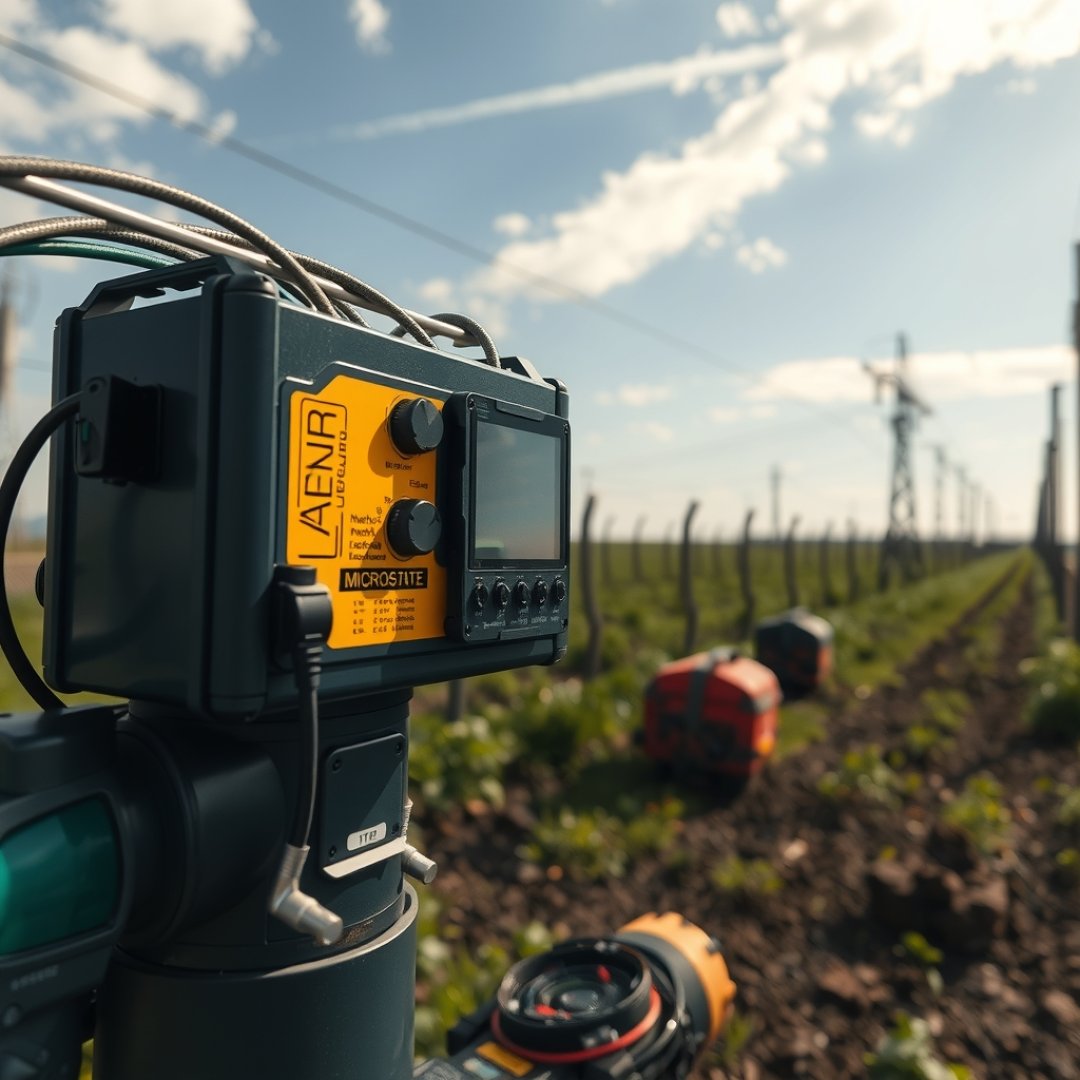
The rapid deployment of distributed energy resources has necessitated more sophisticated monitoring tools to ensure stability across complex energy networks. Solid-State LiDAR integration is currently emerging as a transformative solution for autonomous microgrid energy management by providing high-fidelity spatial data for physical asset monitoring. Unlike traditional sensors that rely on ultrasonic or thermal signatures alone, this laser-based technology allows for real-time 3D mapping of critical infrastructure, such as modular transformer housings and outdoor battery energy storage systems (BESS). By correlating structural movement or physical interference with grid load patterns, operators can achieve a new level of precision in predictive maintenance and safety, effectively mitigating the risks associated with hardware degradation and environmental stressors within decentralized grid nodes in 2026.
Technical Mechanisms of Spatial Energy Monitoring
Working Principles
At the core of Solid-State LiDAR systems used in energy applications is the use of micro-electromechanical systems (MEMS) or optical phased arrays to steer laser beams without moving parts. This mechanical robustness is essential for the high-vibration environments found near substations.
Data Integration Metrics
- Point cloud density: High-resolution depth maps enable sub-millimeter detection of structural swelling in BESS modules.
- Latency: Millisecond-level processing speed is critical for real-time adjustments to power dispatch protocols.
- Field of View: Wide-angle scanning covers multiple grid components simultaneously, reducing the need for redundant sensor installations.
Economic and Operational ROI Analysis
CAPEX and Efficiency Gains
Integrating advanced sensing hardware represents a higher upfront investment compared to legacy monitoring, yet the reduction in manual inspection requirements drives a significant improvement in long-term ROI. By reducing the frequency of physical site visits, utilities lower operational expenses (OPEX) while simultaneously minimizing the probability of catastrophic hardware failure.
Optimizing Grid Reliability
When combined with existing IEEE 1547 standard communication protocols, the spatial intelligence gathered by LiDAR allows for dynamic recalibration of energy distribution. If the sensors detect physical thermal expansion in hardware, the management system can automatically derate that specific node to prevent a safety incident, ensuring maximum uptime for the surrounding grid architecture.
Standards and Future Scalability
Regulatory Compliance and Standards
As the smart grid evolves, the integration of Solid-State LiDAR must adhere to established cybersecurity and data privacy regulations. Current research is focused on aligning the raw data streams from these sensors with the Matter protocol for seamless interoperability across diverse vendor hardware. This standardization is vital to prevent vendor lock-in and to ensure that predictive analytics remain consistent across national grids.
Next-Generation Hardware
Looking ahead, the miniaturization of these sensors will allow for direct embedding into protective chassis, creating ‘self-aware’ infrastructure capable of reporting both electrical states and physical health status without human intervention.
Frequently Asked Questions
Why is Solid-State LiDAR preferred over mechanical spinning LiDAR in grid applications?
Solid-State LiDAR eliminates moving parts, significantly increasing MTBF (Mean Time Between Failures) and environmental resistance in harsh outdoor conditions.
How does LiDAR data improve BESS safety?
It provides early detection of physical deformation or swelling in battery enclosures that could indicate thermal runaway or internal pressure build-up.
Can this system communicate directly with existing microgrid controllers?
Yes, through middleware that converts point cloud telemetry into standard grid management packets compatible with current smart energy controllers.