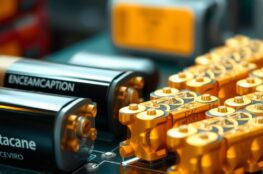
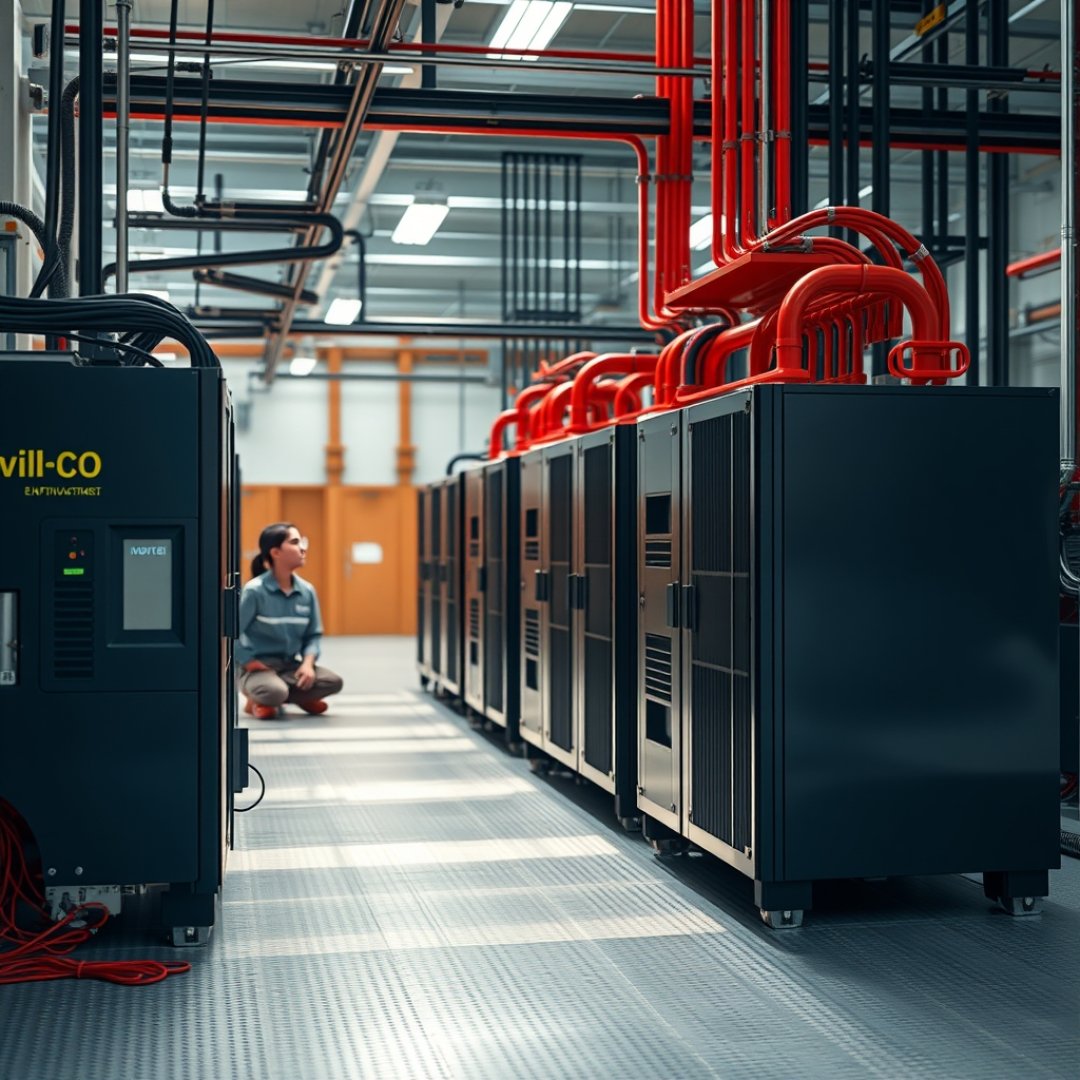
The integration of Silicon Carbide Inverters into utility-scale storage and renewable energy conversion has become the industry standard for high-performance power electronics by mid-2026. Leveraging wide-bandgap semiconductor properties, these devices overcome the inherent thermal and switching frequency limitations of traditional Silicon-based IGBTs. By operating at higher switching frequencies with significantly reduced conduction losses, Silicon Carbide Inverters enable compact, high-density hardware architectures that drastically reduce the cooling requirements and physical footprint of modern BESS and solar PV installations. This transition not only optimizes energy conversion efficiency but also aligns with the stringent mandates of the latest international grid codes and energy efficiency protocols currently governing decentralized energy resource integration.
Wide-Bandgap Material Advantages
Physical Mechanisms of SiC
Silicon Carbide possesses a critical electric field strength roughly ten times higher than standard silicon. This allows for thinner drift layers, which translates into lower on-state resistance (Rdson) and superior voltage handling capabilities. Engineers benefit from:
- Lower Switching Losses: Faster rise and fall times minimize energy dissipated as heat during transitions.
- High-Temperature Operation: SiC maintains intrinsic material properties at higher junction temperatures, simplifying thermal management systems.
- Reduced Inductance: The ability to operate at higher switching frequencies allows for smaller passive components, including inductors and transformers.
Efficiency Metrics and Power Density
Quantifying Performance Gains
In 2026, the transition to SiC-based power stages has yielded measurable performance improvements. Standard inverter topologies utilizing MOSFETs are achieving round-trip efficiency levels exceeding 99% in peak load scenarios. Key performance indicators include:
- Power Density: Modular 500kW inverter blocks now occupy 40% less cabinet space compared to 2023 Si-IGBT designs.
- Thermal Management: Reduced heat sinks allow for passive or low-flow air cooling, lowering the auxiliary power consumption (parasitic load) of the inverter hardware.
- Switching Frequency: Capabilities now reach 50kHz+, facilitating smaller electromagnetic interference (EMI) filters and improved power quality.
Economic Implications and Industry Standards
CAPEX and Grid Compliance
While the initial unit cost of SiC semiconductors remains higher than traditional counterparts, the total cost of ownership (TCO) analysis strongly favors SiC in 2026. Economic and regulatory factors driving adoption include:
- Reduced System CAPEX: Lower material requirements for cooling, housing, and passive components offset the semiconductor price premium.
- Compliance with Grid Codes: High-bandwidth control loops enabled by SiC switching facilitate rapid response times mandated by IEEE 1547-2020 and updated EU grid stability requirements.
- Reliability Metrics: Improved junction temperature performance reduces thermal cycling stress, extending the mean time between failures (MTBF) for critical infrastructure.
Frequently Asked Questions
How do Silicon Carbide Inverters differ from traditional Silicon IGBT inverters?
Silicon Carbide (SiC) is a wide-bandgap semiconductor that allows for higher voltage, faster switching, and better thermal conductivity, resulting in lower power losses and higher density than traditional silicon.
What is the primary impact of SiC technology on grid-scale BESS?
SiC technology significantly reduces the footprint and cooling requirements of grid-scale battery energy storage systems (BESS), while improving round-trip efficiency and response time to grid frequency fluctuations.
Does the use of SiC inverters comply with current international grid standards?
Yes, SiC-based inverters are designed to meet and often exceed current grid standards like IEEE 1547 and various regional grid codes by providing superior control precision and harmonic performance.